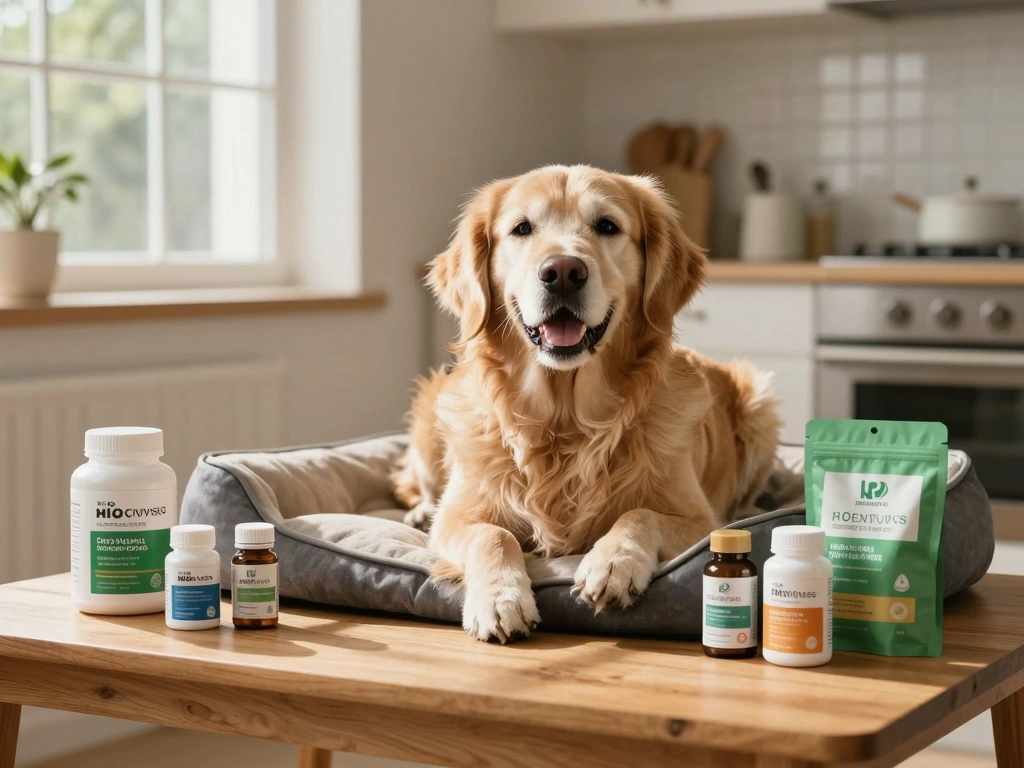
Understanding Canine Stress
Just like humans, dogs can experience stress that impacts their emotional and physical wellbeing. Understanding the root causes of canine stress is pivotal for pet owners seeking to alleviate anxiety in their pets. When exploring options, Calming Dog Treats can be a part of an effective strategy to help soothe anxious behavior in dogs.
What Causes Stress in Dogs?
Several factors can contribute to stress in dogs, including environmental changes, loud noises, separation anxiety, and various forms of trauma. For instance, moving to a new home, being exposed to unfamiliar surroundings, or experiencing events like fireworks can trigger a stress response. Dogs are also sensitive to their owner's emotions; if you are anxious or stressed, your dog may pick up on that energy and become anxious themselves.
Common Signs Your Dog is Stressed
Recognizing the signs of stress in your dog is crucial for managing their anxiety. Common indicators include:
- Pacing or restlessness
- Destructive behavior, such as chewing on furniture
- Excessive barking or whining
- Changes in appetite (eating less or more than usual)
- Shaking, hiding, or seeking excessive attention
- Digestive issues, such as diarrhea or vomiting
Some dogs may also exhibit physical symptoms like drooling or panting. It's important to note that different dogs will show varying signs of stress, and being aware of these behaviors can help you intervene sooner.
The Importance of Routine for Dogs
Dogs thrive on routine as it provides them with a sense of stability. A predictable daily schedule helps minimize anxiety because dogs know what to expect throughout the day. Incorporating regular feeding times, exercise, and playtime can help create a more calming environment. Consistency in training and comfort routines can also significantly reduce stress and improve overall behavior.
How Calming Dog Treats Work
Calming dog treats, like HighV Calm & Relax, are designed to provide nutritional support that helps balance mood and emotions. These treats contain a blend of active ingredients that work synergistically to alleviate stress without sedating your dog, making them a great addition to your pet care routine.
Active Ingredients and Their Effects
The effectiveness of calming dog treats hinges on the carefully selected active ingredients. Key components include:
- Valerian Root (30mg): Known for its calming properties, valerian root helps reduce anxiety levels, making it effective during stressful events like thunderstorms or fireworks.
- Lemon Balm (20mg): A member of the mint family, lemon balm has calming effects that help soothe nervous tension.
- L-Theanine (20mg): An amino acid found in green tea that promotes relaxation without sedation, helping your dog stay alert yet calm.
- L-Tryptophan (20mg): A precursor to serotonin, tryptophan supports mood regulation, ensuring long-term emotional balance.
- Magnesium Citrate (10mg): This mineral helps with normal nerve and muscle function and is particularly beneficial during times of stress.
- Ashwagandha Root (10mg): An adaptogen that fosters resilience to stress, ashwagandha supports ongoing emotional wellbeing.
Using a combination of these ingredients ensures a comprehensive approach to managing anxiety in dogs, targeting both immediate and chronic stress responses.
Daily Feeding for Long-Term Results
For optimal results, calming treats should be fed daily. This allows the active ingredients to build up in your dog's system over time. While some owners may notice an immediate calming effect, the most significant results typically become apparent after two to four weeks of consistent feeding. It's crucial to be patient and observe your dog's response, as individual results may vary.
Calming vs. Sedative Products: Understanding the Difference
It’s essential to differentiate between calming dog treats and sedative products. While calming treats aim to reduce anxiety by supporting the dog’s natural chemistry, sedative products tend to depress the nervous system, potentially leaving dogs lethargic. The goal of HighV Calm & Relax Dog Treats is to encourage relaxation while still maintaining an alert and engaged demeanor, ideal for situations where focus is needed, like during a vet visit or when guests are over.
Choosing the Right Calming Dog Treats
When selecting calming treats for your dog, consider factors such as the level of anxiety your dog experiences, their size, and their preferences. HighV Calm & Relax provides a robust formula specifically designed for dogs that need more help managing stress.
Comparing HighV Calm & Relax to Other Options
HighV Calm & Relax stands out among various calming products due to its well-researched ingredient list and precise dosages. Unlike many brands, which often utilize proprietary blends with vague ingredient amounts, HighV ensures transparency by listing the exact quantities of each active ingredient. This allows pet owners to make informed choices about their dog's wellbeing.
Feeding Guidelines: Dosage and Timing
For effective use, the feeding guidelines should be followed closely:
- For everyday support, provide one chew daily at mealtime.
- For specific stressful events, administer the daily amount one to two hours prior to the trigger.
Owners are encouraged to start the routine two to four weeks ahead of anticipated stressful situations, such as holidays with fireworks or travel.
Suitable Breeds and Age Considerations
HighV Calm & Relax Dog Treats are suitable for all breeds and can be given to dogs 12 weeks and older. Regardless of age, puppies, adult dogs, and even senior canines can benefit from the calming support these treats provide. Just be sure to adjust the feeding amounts according to your dog's weight and needs.
Integrating Calming Treats into Your Dog’s Routine
Incorporating calming treats into your dog’s routine requires a holistic approach that includes training and environmental adjustments.
Pairing Treats with Training Methods
Calming treats can effectively complement training methods aimed at reducing anxiety. Create positive associations with specific triggers by pairing treats with exposure to potentially stressful situations. For instance, provide a calming treat before vet visits or during fireworks displays to help ease your dog’s nerves.
Creating a Stress-Reducing Environment
Your home environment plays a significant role in managing your dog's stress levels. Ensure that your dog has a safe, secluded space where they can retreat when feeling anxious. Reducing loud noises and providing comforting items such as their favorite blanket or toy can further help create a calming atmosphere.
Complementary Products for Enhanced Effectiveness
For dogs that experience digestive issues alongside anxiety, pairing calming treats with probiotic dog treats can be beneficial. Additionally, consider incorporating other calming products or training aids like anxiety wraps or pheromone diffusers to enhance the overall effectiveness of the calming strategy.
Frequently Asked Questions About Calming Dog Treats
Do Calming Dog Treats Really Work?
Many dog owners report positive results from using calming treats, particularly for dogs with mild to moderate anxiety. However, it’s important to remember that each dog is unique, and results may vary based on individual circumstances.
Are There Any Side Effects?
Calming treats are generally well tolerated. Some dogs may initially experience minor digestive changes, such as softer stools, as their systems adjust. If you notice unusual behavior or severe gastrointestinal issues, consult your veterinarian.
How Long Before a Stressful Event Should I Feed Them?
To maximize their effectiveness, administer calming treats one to two hours before anticipated stressful events. For prolonged anxiety management, daily feeding is recommended to maintain a calm state.