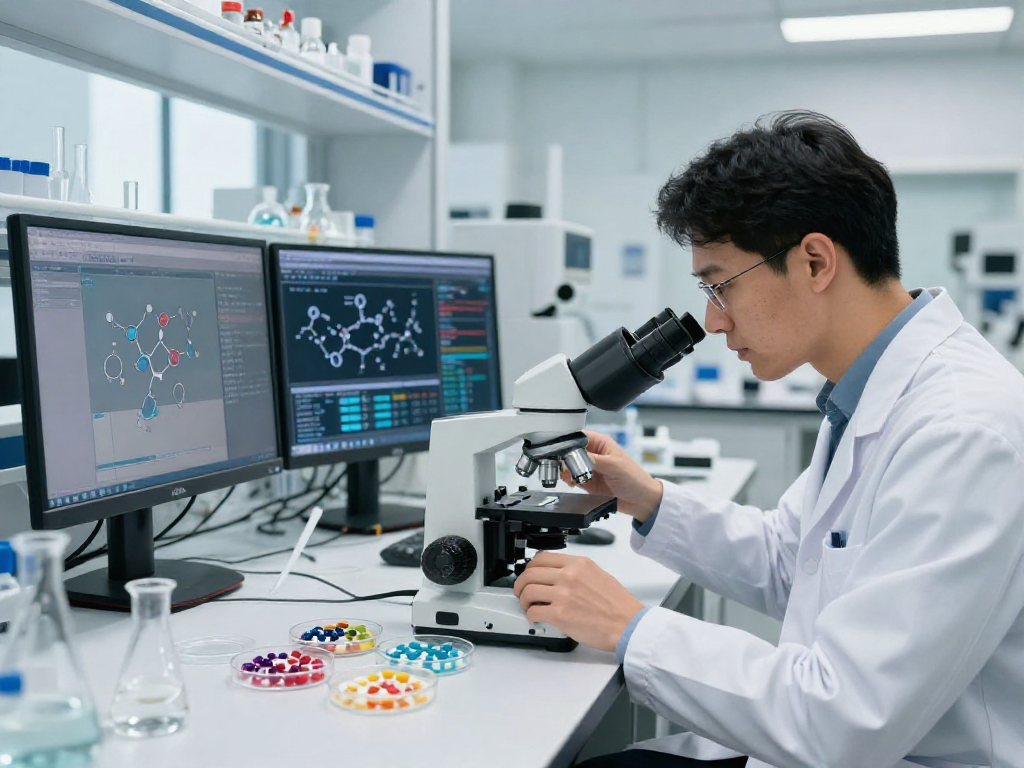
Understanding BPC 157: The Basics
BPC 157, or Body Protective Compound 157, is a peptide that has gained significant attention in the realm of precision medicine and performance enhancement. Originating from a protein found in the stomach, this peptide boasts remarkable healing capabilities, making it a popular choice among athletes and individuals seeking recovery solutions. Its unique properties allow for improved tissue regeneration, reduced inflammation, and enhanced overall healing processes. As we delve deeper, we will explore the scientific underpinnings of BPC 157, its applications in precision compounds, and the potential side effects associated with its use. For an in-depth understanding of BPC 157 Side Effects, this article will provide you with valuable insights.
What is BPC 157?
BPC 157 is a synthetic peptide comprised of 15 amino acids. It is derived from a portion of human gastric juice and has been shown to have various protective effects on the body. Its primary function is to promote healing in the case of wounds, injuries, and conditions affecting the digestive tract. Unlike traditional medications, BPC 157 operates by enhancing the body’s innate healing mechanisms, making it a more natural alternative for recovery.
The Science Behind BPC 157
Extensive research on BPC 157 has uncovered its role in promoting angiogenesis (the formation of new blood vessels) and accelerating collagen production, both crucial elements in the healing process. This peptide has been observed to significantly speed up recovery from tendon injuries, fractures, and muscle tears. By modulating inflammatory responses and promoting cell migration to injured areas, BPC 157 facilitates a more efficient regeneration of cells, which is essential for faster healing.
Uses of BPC 157 in Precision Compounds
The versatility of BPC 157 makes it a key component in precision compounds, particularly in the realm of buccal strips and other modern delivery methods. By utilizing advanced delivery technologies, such as those implemented by InStrips, BPC 157 can be delivered in a more controlled and effective manner, ensuring optimal absorption and bioavailability. This revolutionary approach minimizes the complications related to traditional delivery methods, enhancing the overall efficacy of the peptide.
Potential BPC 157 Side Effects
While BPC 157 is largely considered safe and beneficial for many users, it is essential to recognize that, like any therapeutic agent, it may carry potential side effects. Understanding these effects is crucial for safe usage and informed decision-making.
Common Side Effects Associated with BPC 157
The most frequently reported side effects of BPC 157 include mild nausea and localized irritation at the injection site. Users may experience transient symptoms as their bodies adjust to the peptide. In most cases, these side effects are temporary and resolve on their own without needing medical intervention.
Rare but Serious Adverse Reactions
Though rare, some individuals may experience more severe reactions, including allergic responses characterized by hives, difficulty breathing, or swelling of the face and throat. Such instances necessitate immediate medical attention. Additionally, the long-term effects of BPC 157 are still being studied, which raises the importance of caution when considering its use.
Understanding Drug Interactions with BPC 157
It is crucial to consider potential drug interactions when using BPC 157. This peptide may interact with medications that also affect the healing process or regulate blood circulation. As such, individuals taking anticoagulants, anti-inflammatory medications, or other peptides should consult with a healthcare professional to ensure safe concurrent use.
Safety Measures When Using BPC 157
To maximize the therapeutic benefits of BPC 157 while minimizing risks, certain safety measures should be taken into consideration. Responsible usage practices can greatly enhance the overall experience with this peptide.
Who Should Avoid BPC 157?
Individuals with known allergies to peptides or who have experienced adverse reactions to similar compounds should avoid BPC 157. Furthermore, pregnant or breastfeeding women should exercise caution due to the limited research on the safety of this peptide in these populations.
Best Practices for Safe Dosage
Determining the appropriate dosage of BPC 157 is essential for achieving desired results without unnecessary adverse effects. Generally, dosages range from 200 to 800 mcg per day, depending on individual factors such as age, weight, and overall health. It is advisable to start with a lower dose and gradually increase it while monitoring for any side effects.
Consulting Healthcare Professionals
Before beginning a regimen that includes BPC 157, it is highly recommended to consult with a healthcare provider. An expert can evaluate personal health history, assess potential risks, and provide tailored advice on the optimal approach to using this peptide.
Real-World Applications of BPC 157
BPC 157 has gained traction in various fields, particularly in sports medicine and rehabilitation. Its ability to enhance recovery times makes it a sought-after compound among athletes and individuals recovering from injuries.
Case Studies and Success Stories
Numerous anecdotal reports highlight the effectiveness of BPC 157 in facilitating faster recovery from injuries. For instance, some athletes have reported reduced healing times for tendon injuries and improved performance after using this peptide. While scientific studies are still ongoing, the initial findings bolster its reputation as a powerful recovery aid.
Impact on Recovery and Performance
Research suggests that BPC 157 not only expedites recovery but also enhances overall performance by promoting muscle growth and recovery from training-induced stress. Athletes utilizing BPC 157 have noted improved endurance and reduced muscle soreness post-exercise, providing a competitive edge.
Exploring Variations in Individual Responses
It’s essential to note that individual responses to BPC 157 can vary significantly. Factors such as genetics, baseline health condition, and concurrent treatments can all influence how one reacts to the peptide. Therefore, monitoring personal experiences and adjusting usage is advisable.
Future of BPC 157 in Precision Medicine
The landscape of precision medicine is rapidly evolving, with BPC 157 playing a pivotal role in advancing therapeutic options. Emerging research continues to illuminate the potential of this peptide in various applications.
Emerging Research and Innovations
Current studies are delving deeper into the mechanisms of BPC 157, exploring its potential applications beyond healing, such as its role in mitigating chronic pain and enhancing cognitive function. These investigations could broaden the scope of BPC 157's utility in healthcare.
Trends in the Use of Precision Compounds
The rise of personalized medicine has led to a surge in interest in precision compounds like BPC 157. Users are increasingly seeking tailored therapeutic approaches that align with their individual health needs, driving innovation in delivery methods and formulations.
Potential Regulatory Changes by 2026
As the therapeutic use of peptides becomes more mainstream, regulatory bodies may implement new guidelines surrounding the use of BPC 157. By 2026, it's anticipated that clearer frameworks will be established to ensure safety and efficacy, facilitating broader access and understanding of its benefits.
What are the Benefits of BPC 157?
The benefits of BPC 157 extend beyond simple injury recovery. Users report improved joint function, reduced pain, and enhanced overall health and well-being. Its versatile applications make it a valuable asset for anyone looking to improve their physical condition.
How to Incorporate BPC 157 into Your Health Regimen?
Incorporating BPC 157 into a health regimen requires careful planning and consultation with a healthcare professional. Strategies include integrating it alongside physical therapy, nutrition, and lifestyle modifications to maximize its benefits.
Are There Alternatives to BPC 157?
While BPC 157 is unique in its capabilities, other peptides and compounds also support recovery and healing. For more information, BPC 157 Side Effects offers valuable insights. Alternatives include collagen peptides, growth hormone-releasing peptides, and various anti-inflammatory supplements. Each has its benefits, and selecting the right option depends on individual health goals and consulting a professional.