
The Evolution of ai Roleplay in Gaming
The landscape of gaming has transformed dramatically over the years, driven by advancements in technology and shifts in player expectations. One of the most exciting developments is the emergence of ai roleplay, which blends artificial intelligence with traditional roleplaying mechanics to create immersive and dynamic experiences. As we navigate through this evolution, it becomes essential to understand the fundamentals, historical context, current trends, and future possibilities of ai roleplay in the gaming world.
Understanding ai Roleplay Basics
At its core, ai roleplay involves the use of artificial intelligence to enhance the roleplaying experience for gamers. This can manifest in various ways, from non-player characters (NPCs) that exhibit complex behaviors to environments that react to player choices. The primary goal of ai roleplay is to create a more engaging and personalized gameplay experience, allowing players to immerse themselves fully in the virtual world.
Historical Context: From Traditional to ai Roleplay
Roleplay in gaming dates back to tabletop RPGs where players would immerse themselves in narratives and assume characters. However, the transition to digital gaming introduced limitations in character interactions and world responsiveness. With the advent of AI technologies, developers began to incorporate more sophisticated algorithms that allow NPCs to learn and adapt to players' actions, paving the way for ai roleplay as we know it today.
Current Trends Shaping ai Roleplay Experiences
Today, several trends are defining ai roleplay, which include the gamification of AI, interactive storytelling, and adaptive environments. These trends not only enrich gameplay but also allow players to explore various narrative paths and experience unique outcomes based on their decisions. This evolution of storytelling has made ai roleplay a crucial aspect of modern gaming.
Key Technologies Driving ai Roleplay Forward
The Role of Artificial Intelligence in Gaming
Artificial Intelligence plays a pivotal role in ai roleplay by powering everything from NPC behavior to procedural content generation. Machine learning algorithms enable NPCs to analyze player actions, predict their future moves, and respond accordingly, creating a more realistic interaction. This level of complexity enhances player engagement and leads to richer storytelling.
Virtual and Augmented Reality Applications
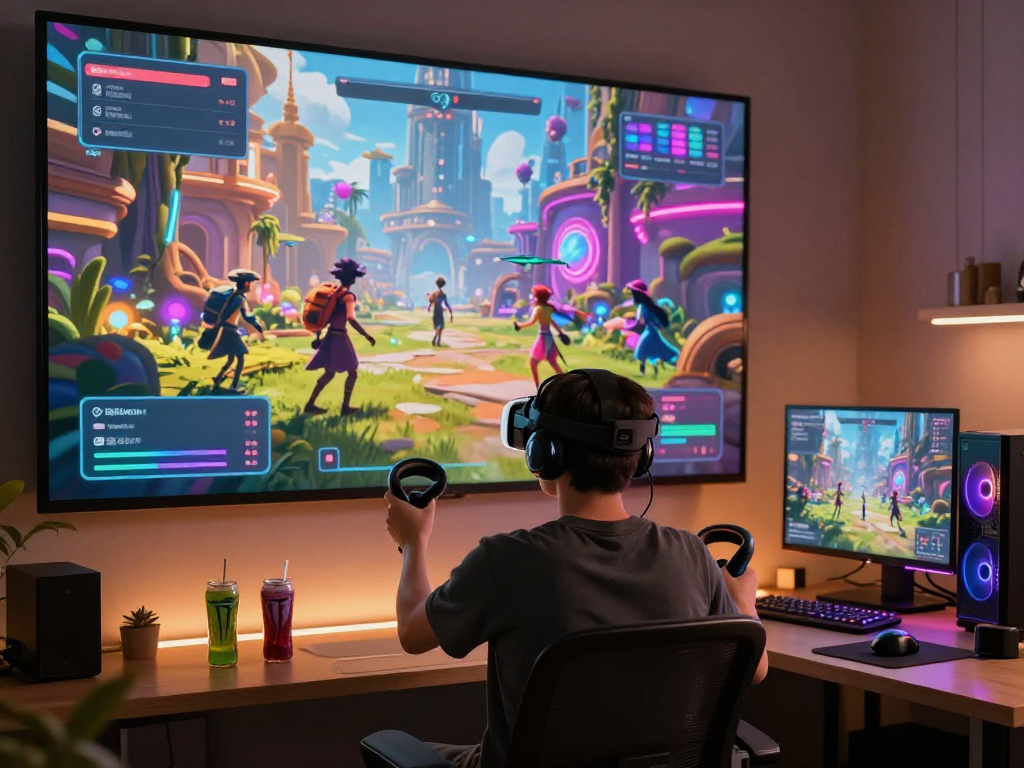
Virtual and augmented reality technologies are revolutionizing the field of ai roleplay. By immersing players in fully interactive environments, VR and AR offer a sense of presence that traditional gaming cannot match. These technologies allow for the blending of the real and virtual, enabling players to engage with AI-driven characters and scenarios in unprecedented ways.
Analytics and Player Data in Enhancing Gameplay
Analytics has become an essential part of the gaming experience, especially in ai roleplay. By analyzing player behavior and preferences, developers can fine-tune AI systems to create more personalized experiences. This data-driven approach not only enhances gameplay but also allows for the continuous evolution of stories and characters based on player feedback.
Creating Engaging ai Roleplay Scenarios
Crafting Compelling Narratives for Players
Narrative design is critical in ai roleplay. Developers must create engaging storylines that allow players to weave their choices into the fabric of the game's narrative. From branching story paths to intricate character arcs, compelling narratives provide the backdrop for a satisfying roleplaying experience.
Designing Characters and Environments
Character and environment design play a vital role in immersing players in an ai roleplay scenario. Designers must consider the personalities, motivations, and backgrounds of characters while also creating lifelike environments that enhance the story. The synergy between characters and their surroundings can significantly impact player engagement.
Player Interaction Dynamics in ai Roleplay
Understanding player interaction dynamics is vital for creating successful ai roleplay experiences. Developers need to explore how players engage with characters and environments, as well as how their actions influence the game's progression. Encouraging meaningful interactions fosters a deeper connection between the player and the game world.
Challenges and Misconceptions in ai Roleplay
Addressing Common Misunderstandings
Despite the advancements in ai roleplay, several misconceptions persist. One common misunderstanding is that AI can entirely replace human creativity. Instead, AI is a tool that can augment storytelling and gameplay, providing developers with new avenues for innovation and engagement.
Overcoming Technical Barriers for Players
As technology continues to evolve, technical barriers can hinder players from fully engaging with ai roleplay experiences. Issues such as high hardware requirements or complex setup processes can deter potential players. Developers must prioritize user-friendly design and accessibility to ensure that all players can enjoy the immersive world of ai roleplay.
Navigating Community and Collaboration Issues
Community dynamics also play a significant role in the success of ai roleplay. Players often bring varying expectations and experiences, which can lead to conflicts or misunderstandings. To foster a positive community, developers should encourage collaboration and communication, creating spaces for players to share their experiences and ideas.
The Future of ai Roleplay: Predictions for 2026 and Beyond
Emerging Trends and Innovations
As we look to the future, emerging trends such as advanced machine learning, real-time world-building, and increased player agency are shaping the landscape of ai roleplay. Innovations in these areas promise to create even more immersive experiences that blur the lines between player and character.
The Impact of Community Feedback on Development
Community feedback will play a crucial role in the evolution of ai roleplay. Developers who actively engage with their player base can glean valuable insights that inform updates and new features, ensuring that games remain aligned with player expectations and desires.
Preparing for the Next Generation of ai Roleplay
To prepare for the next generation of ai roleplay, developers must invest in research and development, focusing on cutting-edge technologies that enhance gameplay. Partnerships with AI researchers and continuous testing with players can open new doors for creativity and innovation in the gaming industry.
What are the benefits of ai roleplay?
ai roleplay offers numerous benefits to players, including enhanced immersion, personalized narratives, and dynamic interactions. Players can enjoy unique experiences tailored to their choices, creating a sense of ownership over the story and characters.
How does ai roleplay enhance gaming experiences?
By integrating AI into roleplay mechanics, games can offer responsive environments and characters that adapt to player actions, significantly enriching the gaming experience. This interactivity leads to deeper engagement and emotional investment in the story.
What technologies are essential for ai roleplay?
Essential technologies for ai roleplay include advanced AI algorithms, machine learning frameworks, virtual and augmented reality, and robust analytics tools. These technologies work together to create responsive and engaging experiences for players.
How can I get started with ai roleplay?
Getting started with ai roleplay involves selecting games that incorporate these elements, familiarizing yourself with the mechanics, and exploring communities that focus on immersive storytelling. Engaging with other players can provide insights and tips to enhance your experience.
What are the common challenges in ai roleplay?
Common challenges in ai roleplay include technical barriers, misconceptions about AI's role, and community dynamics. Addressing these challenges requires ongoing dialogue between developers and players to create a shared understanding and foster an engaging environment.