Understanding Celebrity Look Alikes
The fascination with celebrity look alikes has surged in recent years, driven by advancements in technology and a cultural obsession with fame. People worldwide are increasingly curious about which celebrities they resemble, leading to the rise of numerous apps and platforms designed to help users discover their celebrity counterparts. In this article, we will delve deep into the intriguing world of celebrity look alikes, exploring the science behind facial recognition technology, common misconceptions, and the cultural impact of finding one's doppelgänger. For those seeking insight into how you can explore your own celebrity look alike, this guide is your roadmap.
What Makes a Celebrity Look Alike?
A celebrity look alike is someone who bears a striking resemblance to a famous figure, often sharing similar facial features, hair color, and even expression styles. This phenomenon can occur naturally due to genetic similarities or as a result of trends in beauty standards that influence how people present themselves. Studies have shown that physical attributes such as facial symmetry and proportions can significantly contribute to perceived attractiveness, making lookalikes all the more compelling.
The Science Behind Facial Recognition Technology
Facial recognition technology utilizes complex algorithms to analyze and match facial features from photos. By breaking down images into hundreds of data points, software can identify patterns that resemble those of known celebrities. This technology has evolved considerably, with neural networks improving accuracy rates and allowing for near-instantaneous comparisons. Applications harnessing this technology create engaging experiences for users, who can upload their images to find their celebrity matches.
Common Misconceptions about Look Alikes
Many myths surround the concept of celebrity look alikes. One prevalent misconception is that all look alikes must have an identical facial structure. In reality, look alikes may share only a few characteristics, such as eye shape or smile, while still maintaining unique identities. Additionally, some believe that look alikes must have the same ethnicity or morphological background, but in truth, anyone can find their celebrity counterpart regardless of their heritage.
How to Use Celebrity Look Alike Apps
With the growth of mobile technology, various celebrity look alike apps have emerged, making it easy for users to discover their famous twins. These applications typically incorporate advanced AI and facial recognition systems, allowing seamless user experiences. Here are some tips for using these apps effectively:
Top Celebrity Look Alike Apps of 2026
- StarByFace: Utilizes neural networks to analyze facial similarities and suggests look alikes.
- Celebs Like Me: Access thousands of celebrity images to find your best match.
- Celebrity Face Match: A fast and straightforward app that delivers instant matches with just one upload.
- OverChat: Known for its simple interface, this app allows users to compare their photos with celebrity images quickly.
Step-by-Step Guide to Uploading Your Photo
Using a celebrity look alike app is generally straightforward. Follow these steps to get started:
- Download the app from your preferred app store.
- Open the app and create an account if necessary.
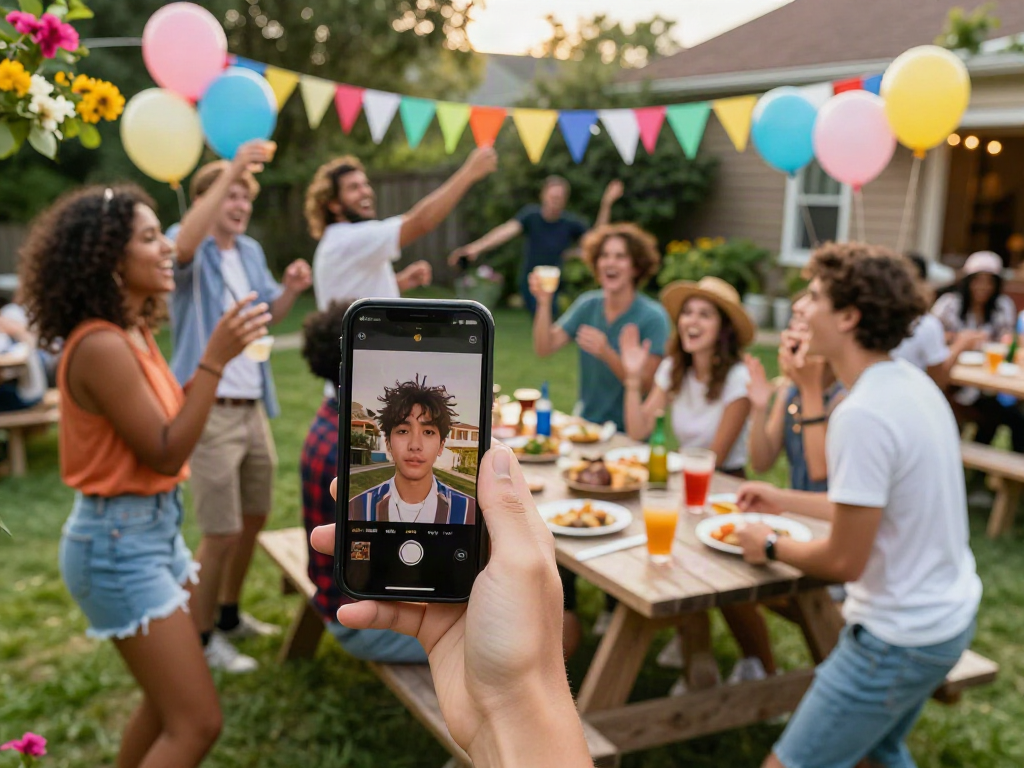
- Navigate to the upload section and select a clear photo of yourself.
- Wait for the app to analyze your image, which may take anywhere from a few seconds to a couple of minutes.
- Review the suggested celebrity matches and enjoy!
Maximizing Your Results: Tips and Tricks
To ensure the best outcomes when using these apps, consider the following tips:
- Use high-quality images with good lighting.
- Avoid using photos with heavy makeup or filters, as these can obscure facial features.
- Try multiple photos for more varied results.
Exploring the Cultural Impact of Celebrity Look Alikes
The cultural impact of celebrity look alikes is far-reaching, influencing everything from social media trends to personal identities. Understanding this phenomenon can uncover deeper insights into societal values and self-perception.
Why Do We Love Celebrity Look Alikes?
People are naturally drawn to celebrities, often idolizing them due to their beauty, talent, or charisma. Discovering a look alike can create a unique sense of connection or validation, as individuals see traits they admire reflected in themselves. This allure has fueled countless social media trends, where users often share their celebrity matches, leading to viral challenges and content creation.
Impact on Social Media and Popular Culture
Social media platforms have played an instrumental role in the rising trend of celebrity look alikes. Viral challenges encourage users to find and share their matches, resulting in a flurry of content that captivates audiences. This phenomenon has inspired memes, videos, and discussions that not only entertain but also provoke thought about identity, beauty standards, and what it means to resemble someone famous.
Celebrity Doppelganger Trends in 2026
As technology continues to evolve, celebrity look alike trends are expected to advance as well. In 2026, we may see enhanced integration of augmented reality (AR) and virtual reality (VR) in these applications, allowing users to visually experiment with their looks alongside their celebrity counterparts. Interactive experiences emphasizing customization could further democratize the pursuit of celebrity resemblance.
Real-Life Stories of Celebrity Look Alike Encounters
The stories surrounding celebrity look alikes often reflect a blend of creativity, identity, and sometimes humor. These encounters can lead to interesting anecdotes that highlight the human experience.
Famous Celebrity Look Alike Pairings
There are many famous instances of celebrity look alike pairings that have captured the public's imagination. For example, actors Zoe Saldaña and Thandiwe Newton are frequently compared due to their similar facial features and dark hair. Another notable pair includes Victoria Justice and Nina Dobrev, who share not only physical traits but also a similar charm that resonates with fans.
Interviews with People Who Discovered Their Look Alikes
Several individuals have shared their experiences of discovering their celebrity look alikes, often with surprising and delightful outcomes. For instance, one user described how seeing their look alike inspired them to embrace their unique features, leading to a newfound confidence. Others note the fun in navigating conversations about their resemblance, frequently eliciting smiles and laughter.
How Being Compared to Celebrities Affects Identity
Being compared to a celebrity can influence one's sense of self in various ways. While some enjoy the association, others may feel pressure to conform to the standards set by their look alikes. This dynamic presents a unique lens through which to examine societal expectations and personal identity, provoking conversations about authenticity and self-acceptance.
Future Trends in Celebrity Look Alike Technology
The field of celebrity look alike technology is poised for exciting developments in the coming years. With rapid advancements in artificial intelligence and machine learning, these tools will become even more refined and user-friendly.
AI Advancements in Facial Recognition
The future of facial recognition technology lies in deeper learning models that will improve accuracy in recognizing similarities. AI is expected to enhance the nuances of facial features, allowing for a more personalized approach to finding look alikes, thereby making the process more engaging and enjoyable.
Ethical Considerations and Privacy Issues
As facial recognition technology expands, ethical considerations surrounding privacy will become increasingly important. Users must be informed about how their data is used and ensure that their consent is sought before their images are analyzed and stored. Striking a balance between innovation and privacy protection will be crucial as the industry evolves.
What to Expect in the Next Decade
Moving into the next decade, we can anticipate more interactive and engaging experiences with celebrity look alike technology. Expect features such as real-time comparisons, enhanced filters, and even AR overlays that let users blend their features with those of the celebrities they resemble. The landscape will undoubtedly continue to shift as cultural perceptions of beauty and identity evolve.
Can AI Fully Replace Human Comparisons?
While AI and technology can simulate human understanding of resemblance, they cannot fully replace the subjective nature of beauty and identity. The human experience is complex, and while technology will enhance our ability to find look alikes, the emotional connection and societal implications behind these comparisons will remain deeply ingrained in human culture.