
Introduction
Cocos Island diving is widely considered one of the most intense and rewarding big-animal diving experiences in the world, designed almost exclusively for advanced divers who are comfortable in challenging open-ocean conditions. Located far offshore in the eastern Pacific within Cocos Island National Park, this remote volcanic island delivers consistent encounters with sharks, rays, tuna, and other pelagic species in a wild, untouched environment. Cocos Island diving is not about easy reef cruising—it is about drift diving through strong currents, descending into blue water encounters, and witnessing large-scale marine behavior that few places on Earth can match. At Infinite Blue Dive Travel, we position Cocos Island diving as a premier expedition for divers who want raw, unfiltered ocean action at its highest level.
Why Cocos Island diving is only for advanced divers
Cocos Island diving demands experience because of its environmental conditions. Strong currents, deep walls, and variable visibility require excellent buoyancy control and comfort in open water. Divers who attempt Cocos Island diving without proper experience often find the conditions physically and mentally demanding.
During Cocos Island diving, negative entries are common, and dives often begin in blue water before descending to reef structures or seamounts. This type of diving requires confidence and training, making Cocos Island diving best suited for advanced certification levels.
Additionally, Cocos Island diving often involves drift diving, where divers move with the current rather than against it. This technique is essential for safely navigating dive sites and maximizing encounters with big marine life.
Big animal action: the core of Cocos Island diving
The main attraction of Cocos Island diving is its extraordinary concentration of large pelagic species. Hammerhead sharks are the signature species, often seen in large schools during Cocos Island diving. These encounters are frequent and can occur on almost every dive under the right conditions.
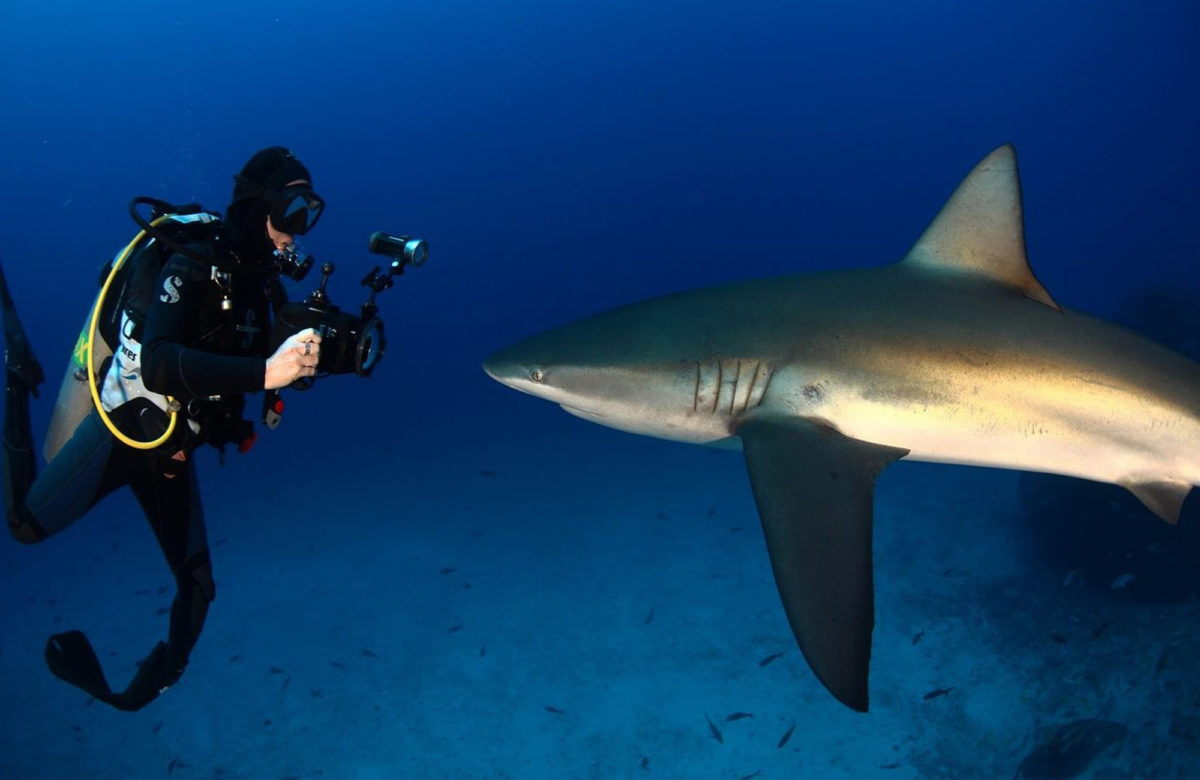
Cocos Island diving also delivers sightings of silky sharks, Galápagos sharks, and occasionally tiger sharks. These apex predators move through the water column in coordinated patterns, creating dramatic underwater scenes.
In addition to sharks, Cocos Island diving offers encounters with massive schools of tuna, jacks, and barracuda. These fast-moving species often appear in hunting formations, adding intensity and excitement to Cocos Island diving experiences.
The role of currents in Cocos Island diving action
Currents are a defining feature of Cocos Island diving and play a major role in attracting big animals. Nutrient-rich water flows around seamounts and cleaning stations, concentrating marine life in predictable areas.
During Cocos Island diving, divers often position themselves along reef edges or in midwater where currents bring pelagic species past in large numbers. These conditions are what make Cocos Island diving so reliable for big-animal encounters.
While currents can be challenging, they are also what create the explosive biodiversity that defines Cocos Island diving. Without them, the island would not support such large populations of sharks and pelagic fish.
Hammerhead encounters during Cocos Island diving
Hammerhead sharks are the highlight of Cocos Island diving and one of the main reasons advanced divers travel from around the world. These sharks often gather in schools around cleaning stations and seamounts.
During Cocos Island diving, hammerheads can appear in small groups or massive aggregations, sometimes numbering in the dozens or more. They move slowly and deliberately, often circling in synchronized formations that are unforgettable to witness.
The predictability of hammerhead sightings is one of the key reasons Cocos Island diving is considered the ultimate big-animal destination.
Drift diving and advanced techniques in Cocos Island diving
Cocos Island diving relies heavily on drift diving techniques. Instead of swimming against currents, divers move with them, conserving energy while staying aligned with marine life pathways.
This style of diving requires strong buoyancy control and situational awareness, both essential skills for Cocos Island diving. Guides carefully plan entries and exits to ensure divers remain safe while maximizing encounters.
Negative entries are also common in Cocos Island diving, where divers descend immediately upon entering the water to reach deeper pelagic zones quickly.
Liveaboard experience for advanced Cocos Island diving
Cocos Island diving is only possible via liveaboard expeditions, typically lasting 8 to 12 days. These vessels are designed for experienced divers and long offshore journeys.
During Cocos Island diving liveaboards, divers complete multiple dives per day, often in challenging but rewarding conditions. Briefings are detailed and focus heavily on currents, marine behavior, and safety procedures.
The liveaboard environment allows divers to fully immerse themselves in Cocos Island diving without distractions, maximizing time spent in the water and increasing chances of big-animal encounters.
Marine biodiversity supporting Cocos Island diving action
Although Cocos Island diving is known for sharks and pelagic species, the ecosystem is supported by a wide range of marine life. Smaller fish species, including reef fish and schooling baitfish, form the foundation of the food chain.
These species attract larger predators, making Cocos Island diving one of the most active marine ecosystems in the world. The constant movement of life creates a dynamic environment where big animals are always present.
The health of this ecosystem is protected within Cocos Island National Park, ensuring that Cocos Island diving remains productive and sustainable.
Visibility and environmental challenges in Cocos Island diving
Visibility during Cocos Island diving can vary depending on plankton levels and currents. Even when visibility is moderate, the size of marine life ensures that encounters remain impressive.
Divers must also be prepared for thermoclines and sudden changes in water conditions. These environmental factors are normal in Cocos Island diving and contribute to its wild, unpredictable nature.
Despite these challenges, Cocos Island diving consistently delivers high-impact encounters that make conditions secondary to marine life activity.
Photography opportunities in Cocos Island diving
Cocos Island diving is one of the best destinations in the world for action-packed underwater photography. The presence of large shark schools and fast-moving pelagics creates dynamic shooting opportunities.
Hammerhead formations are especially popular subjects during Cocos Island diving, often captured against deep blue backgrounds that enhance contrast and scale.
Because Cocos Island diving offers repeated encounters, photographers have multiple chances to capture rare behavior and refine their compositions.
Mental and physical demands of Cocos Island diving
Cocos Island diving is physically demanding due to long dive durations, strong currents, and multiple daily dives. Divers must maintain good fitness levels to fully enjoy the experience.
Mentally, Cocos Island diving requires adaptability. Conditions can change quickly, and divers must be comfortable following guide instructions and adjusting expectations.
Those who are prepared find Cocos Island diving deeply rewarding, often describing it as one of the most powerful diving experiences of their lives.
Why Infinite Blue Dive Travel recommends Cocos Island diving
At Infinite Blue Dive Travel, we recommend Cocos Island diving specifically for advanced divers seeking intense marine encounters. The combination of sharks, currents, and remote ocean conditions makes it one of the most exciting expeditions available.
We carefully select experienced liveaboard operators and plan itineraries to ensure divers are fully prepared for the demands of Cocos Island diving while maximizing big-animal encounters.
Conclusion
Cocos Island diving is a world-class expedition designed for advanced divers who want to experience intense big-animal action in a remote ocean environment within Cocos Island National Park. From hammerhead shark schools and drifting pelagic encounters to powerful currents and deep seamount dives, Cocos Island diving delivers some of the most dramatic underwater experiences on Earth. While it demands skill, fitness, and preparation, the rewards are unmatched in the diving world. For divers traveling with Infinite Blue Dive Travel, Cocos Island diving offers not just thrilling encounters but a true connection to the raw energy of the open ocean, making it one of the ultimate adventures for experienced divers seeking the pinnacle of underwater exploration.