The Benefits of Giant Foam Building Blocks
Engaging Young Minds with Play
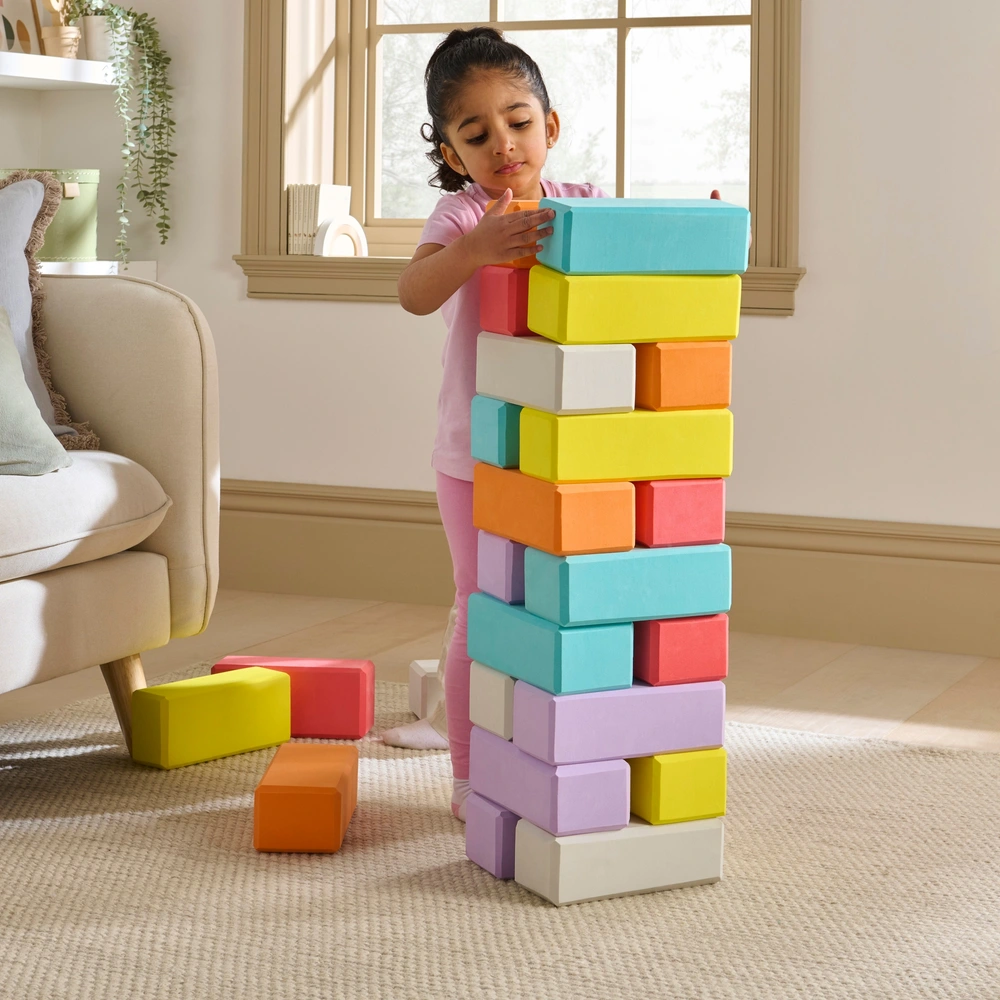
Giant foam building blocks have garnered significant attention in recent years for their remarkable ability to captivate children’s imaginations. This is not merely a trend; numerous studies indicate that play is essential for cognitive development. Engaging with these blocks allows children to explore spatial relationships, improve their problem-solving skills, and foster creativity. The tactile nature of foam blocks supports sensory play, making them appealing to children of varying ages. Furthermore, the large size of these blocks encourages children to construct imaginative structures and scenarios, pushing the boundaries of traditional playtime activities. If you seek more details about the versatility of foam blocks, you will find that their potential far exceeds mere entertainment.
Physical Development Through Creativity
In addition to igniting imagination, giant foam building blocks play a vital role in enhancing physical development. By lifting, stacking, and balancing these large, lightweight blocks, children engage in core muscle strengthening activities essential for motor skill enhancement. These activities promote hand-eye coordination, balance, and even spatial awareness. For toddlers and preschoolers, the freedom to experiment with size and weight offers a safe environment to challenge themselves without the fear of injury typically associated with harder building materials. Activities involving foam blocks often lead to active play, which is crucial for maintaining a healthy lifestyle.
Enhancing Social Interaction and Teamwork
Giant foam building blocks also serve as excellent tools for social interaction and teamwork. When children collaborate on building projects, they practice essential communication skills, learn the value of listening, and understand the significance of compromise. This social aspect of play not only strengthens friendships but teaches vital life skills that will benefit them in school and beyond. Additionally, engaging in group play fosters patience and respect for others, essential qualities for personal and professional relationships as they grow.
Choosing the Right Foam Building Blocks
Size and Shape Considerations
When selecting the right set of foam building blocks, size and shape are foundational factors to consider. The size of the blocks should cater to the age group of the intended users, ensuring that they are manageable for smaller hands but substantial enough to create impressive structures. Shapes also play a significant role; different configurations support various types of constructions. Blocks that include corners, curves, and angles inspire creativity and open-ended play, allowing children to think outside the box—sometimes quite literally.
Safety Features to Look For
Safety should always be at the forefront when choosing foam building blocks. Ensure that the materials are non-toxic and free of harmful chemicals, especially for younger children who may put the blocks in their mouths. Look for blocks with soft edges and no sharp corners, as these features minimize the risk of injury during play. It's also wise to check if the blocks are designed to be durable and resistant to wear and tear while maintaining a lightweight quality for safe handling.
Material Quality and Durability
High-quality foam materials are vital for ensuring longevity in your blocks. The right material should withstand the rigors of enthusiastic play without losing shape or texture. EVA foam is a popular choice due to its lightweight and durable properties, which hold up against daily wear. Moreover, some foam blocks are designed with waterproof and easy-to-clean surfaces, making maintenance a breeze and further proving their long-term value to parents.
Creative Ideas for Indoor Adventures
Themed Building Challenges
One unique way to inspire creativity is through themed building challenges. Organizing special events where children can collectively build a castle, spaceship, or even recreate famous landmarks stimulates imagination and teamwork. By introducing themes, children learn how to enhance their projects with narrative elements, thereby deepening their understanding of context and design.
Incorporating Educational Play
Foam blocks can easily integrate educational elements into play. For instance, children can practice counting, learn about shapes and colors, or develop basic math skills by calculating how many blocks they need for a specific design. This blend of play and learning makes foam blocks a versatile tool for early childhood education, promoting engagement while learning essential academic concepts.
Encouraging Storytelling with Blocks
Storytelling can reach new heights when combined with giant foam building blocks. Children can create their own stories or recreate existing tales, constructing scenes that represent different characters and narratives. This activity encourages language development, imaginative thinking, and cooperative play, making it an enriching experience that extends beyond mere building.
Maintaining Your Foam Blocks
Cleaning and Care Tips
To extend the lifespan of your foam blocks, proper cleaning and care are essential. Regularly wipe them down with a damp cloth and mild soap, ensuring they remain hygienic for play. Avoid using abrasive cleaning agents, as they may damage the foam material. For deeper cleans, especially if spills or dirt accumulate, gentle scrubbing may be necessary. Always allow the blocks to air dry completely to prevent any moisture buildup.
Storing for Longevity
Storage plays a significant role in the longevity of foam blocks. Ideally, they should be stored in a cool, dry place away from direct sunlight that could cause fading or warping. Using bins or shelves to keep the blocks organized can prevent unnecessary wear and will make them easily accessible for playtime. Covering them with a breathable fabric can also help protect them from dust while allowing air circulation.
Repairing Minor Damages
Mishaps can occur during play, and minor damages to foam blocks may be inevitable. However, repairing these blocks is often straightforward. For small dents or cuts, a bit of adhesive or duct tape may suffice. For more significant damages, there are specific foam repair kits available that can restore the block to its original state. Maintaining their condition not only saves money but also ensures that children can continue benefiting from creative play.
Frequently Asked Questions
What age group are foam building blocks suitable for?
Giant foam building blocks are generally suitable for children aged 1 and up. Many blocks come in various sizes and shapes to accommodate different developmental stages, making them an inclusive play option.
Can these blocks be used outdoors?
Yes, giant foam blocks can be used outdoors. However, they should be stored indoors when not in use to prevent damage from weather elements like rain or prolonged sun exposure.
How to ensure safety during play?
To ensure safety, choose foam blocks made from non-toxic materials, check for soft edges, and supervise young children during play. Creating a safe play environment is essential.
Are there different types of foam blocks?
Yes, foam building blocks come in various types, including sets tailored for specific themes, colors, sizes, and shapes, allowing tailored play experiences for different interests and age groups.
How can I encourage cooperative play?
Encouraging cooperative play can be achieved by organizing group building projects or thematic challenges. Group activities promote communication, turn-taking, and teamwork among children.