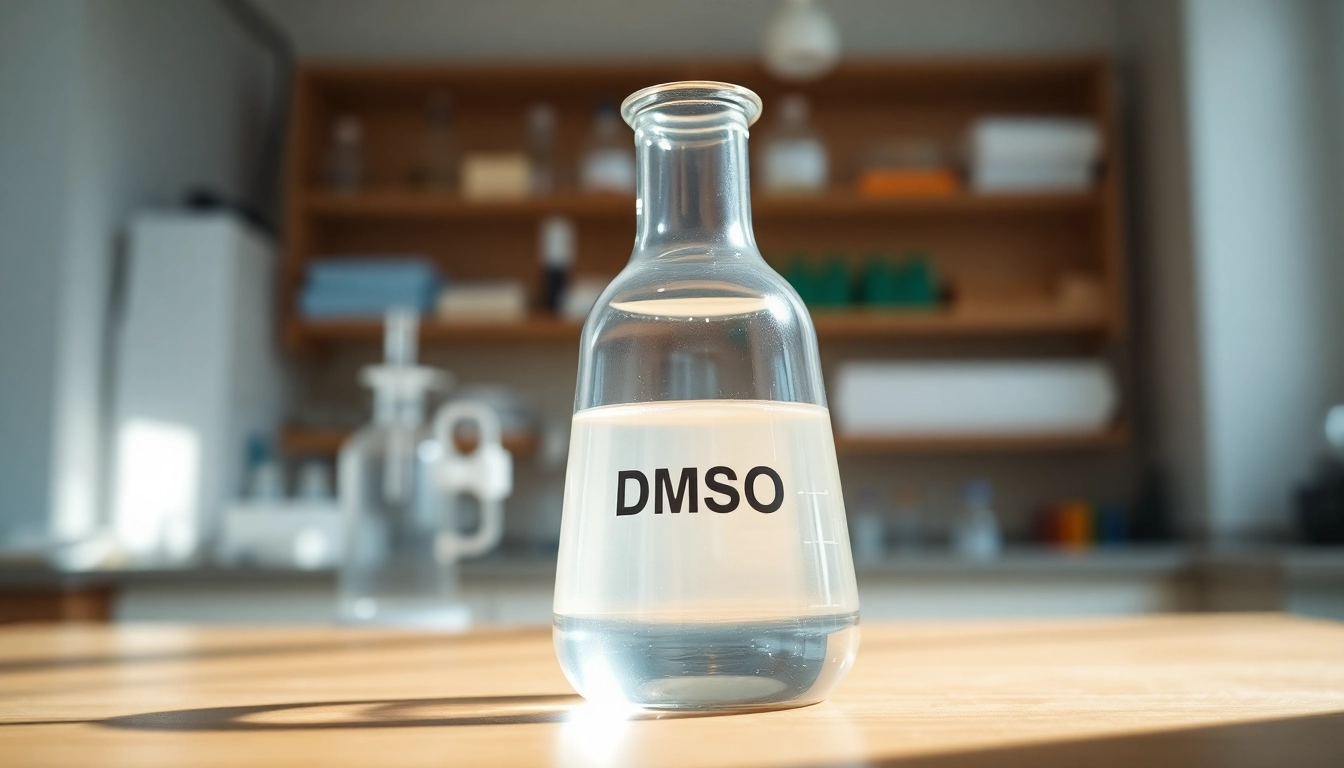
Introduction to DMSO Organic
DMSO, academically recognized as Dimethyl Sulfoxide, is a colorless, organic compound derived primarily from the wood byproduct lignin. It has captured the attention of researchers and industries alike for its remarkable properties and multifaceted applications. This article delves into the world of dmso organic, examining its benefits, uses, safety considerations, and much more.
What is DMSO Organic?
DMSO is a polar aprotic solvent known for its ability to dissolve both polar and non-polar compounds. This unique capability stems from its chemical structure, making it a valuable tool in various applications ranging from pharmaceuticals to industrial uses. Unlike synthetic alternatives, organic DMSO is derived from natural sources, which aligns with the growing trend toward sustainable and eco-friendly solutions.
History and Discovery of DMSO
First synthesized in the 19th century, DMSO was initially used as a solvent and had limited practical applications. However, its potential in pharmacology was discovered in the 1960s when researchers found its ability to penetrate biological membranes and deliver drugs effectively. This kick-started extensive studies on its therapeutic properties, especially its anti-inflammatory effects, paving the way for its use in medicine and wellness.
Benefits of Using DMSO Organic
The benefits of DMSO are vast and varied:
- Solvent Properties: Capable of dissolving a wide array of substances, it serves as an effective solvent in laboratory settings.
- Anti-Inflammatory Benefits: DMSO has been shown to reduce pain and inflammation in various clinical settings, making it a popular choice for athletes and patients with chronic pain.
- Transdermal Drug Delivery: Its ability to penetrate the skin enhances the efficacy of topical medications, improving delivery and absorption.
- Antioxidant Activity: DMSO has been observed to exhibit antioxidant properties, which can protect cellular integrity from oxidative stress.
Properties and Composition of DMSO Organic
Chemical Structure and Characteristics
DMSO is composed of two methyl groups attached to a sulfoxide functional group, giving it a unique polarity. This polar nature allows it to interact with both hydrophilic and hydrophobic molecules, making it a versatile solvent. Additionally, DMSO has a high boiling point and low toxicity, facilitating its use in various formulations.
How DMSO Organic Works
The effectiveness of DMSO lies in its ability to disrupt cell membranes permeating tissues, enhancing the absorption of other compounds. DMSO facilitates cellular uptake through passive diffusion, where concentrations across the membrane drive the transport, thereby ensuring efficient delivery without the need for additional transporters.
Comparison with Other Solvents
When compared to other organic solvents, DMSO stands out due to its ability to dissolve a wide variety of substances, including salts and polymers. Common solvents like ethanol, methanol, and acetone cannot match DMSO's range of solubility and polar characteristics, providing a distinct advantage in both laboratory and industrial applications.
Applications of DMSO Organic
Pharmaceutical Uses of DMSO Organic
DMSO's role in the pharmaceutical industry is multifaceted:
- Topical Pain Relief: Products containing DMSO are often used to alleviate localized pain, particularly in conditions such as osteoarthritis.
- Drug Formulations: Its ability to enhance drug solubility makes DMSO a preferred solvent for injectable medications and topical formulations, aiding in drug development processes.
- Experimental Therapy: Research continues into its ability to treat conditions like rheumatoid arthritis and certain skin diseases, showcasing its potential beyond conventional applications.
Industrial and Research Applications
In industrial settings, DMSO is commonly employed as a solvent for chemical reactions, particularly in the synthesis of pharmaceuticals and agrochemicals. Research facilities utilize DMSO in various laboratory processes, especially in organic synthesis where its high polarity is beneficial for dissolving various substrates.
DMSO Organic in Agriculture
DMSO finds utility in agriculture, primarily as a carrier for pesticides and herbicides. Its ability to enhance the uptake of active ingredients into plant tissues promotes effective pest control and increases yield. Furthermore, it is explored as an environmentally friendly alternative to conventional solvents in agrochemical formulations.
Usage Guidelines and Safety Precautions
How to Use DMSO Organic Safely
For safe application of DMSO, consider the following guidelines:
- Always use medical-grade DMSO to ensure purity.
- Perform patch tests before extensive topical application to assess for allergic reactions.
- Use gloves and protective eyewear when handling DMSO to avoid skin and eye contact.
- Store in a cool, dark place, away from incompatible materials.
Common Side Effects and Considerations
While DMSO is generally considered safe, some users may experience side effects such as:
- Skin irritation or sensations of burning or itching.
- Garlic-like taste or breath odor due to metabolic byproducts.
- Headaches when used in high concentrations or over extended periods.
It is crucial to consult a healthcare professional before starting any DMSO regimen, particularly if pregnant or nursing.
Regulatory Status and Recommendations
The regulatory status of DMSO varies worldwide. In some regions, it is classified as a prescription medication for specific uses, while in others, it is available over the counter. Users should check local regulations and obtain DMSO from reputable suppliers to ensure quality and safety.
FAQs About DMSO Organic
Can DMSO be used topically?
Yes, DMSO is often used topically for its anti-inflammatory and analgesic properties, though it should be diluted and used with caution.
Is DMSO Organic safe for all applications?
While safe for many uses, DMSO should be applied carefully, with attention to dosage and purity. Consult a medical professional for specific applications.
What are the storage guidelines for DMSO Organic?
DMSO should be stored in a tightly sealed container, away from heat and light, to maintain its stability and prevent contamination.
How can I determine the quality of DMSO Organic?
Quality DMSO should be labeled as pharmaceutical or industrial grade, with purity levels of at least 99%. Always purchase from reputable suppliers.
What should I do in case of a DMSO Organic reaction?
If you experience adverse reactions, discontinue use immediately and consult a healthcare professional. Monitor for symptoms like skin irritation or unusual side effects.