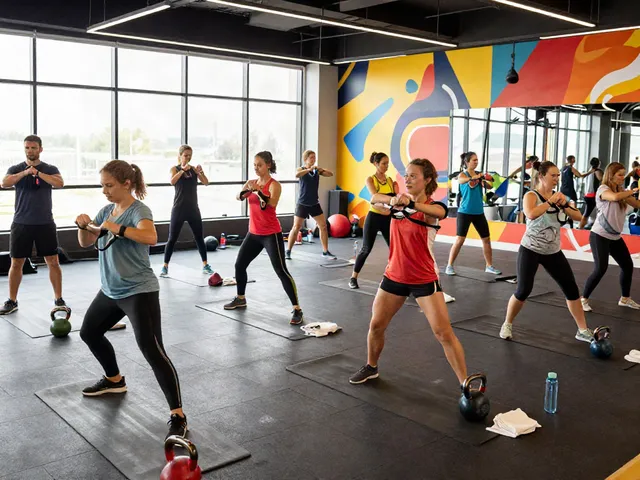
Understanding Home Workout Plans
With busy lifestyles and limited access to traditional gym facilities, Home Workout Plans have emerged as a practical solution for individuals seeking to maintain their fitness. These plans offer flexibility, convenience, and a variety of workout options tailored to different fitness levels and goals. In this article, we’ll explore the multifaceted world of home workout plans, delving into their benefits, types, and how to customize them according to personal preferences.
Benefits of Home Workout Plans
The advantages of home workout plans are numerous and varied. Firstly, they save time by eliminating the commute to and from the gym, allowing individuals to fit exercise into busy schedules. Additionally, home workouts can be customized to suit personal preferences, thereby enhancing enjoyment and adherence to the routine.
Cost savings are also significant. Home workout plans reduce or eliminate expenses associated with gym memberships, travel, and specialized classes. Moreover, they empower users with the knowledge to take control of their fitness journey, fostering a sense of ownership and accomplishment.
Convenience is another vital benefit; workouts can be performed at any time, eliminating barriers such as weather, hours of operation, or availability of equipment. Finally, research indicates that consistency leads to better results, making the freedom and accessibility of home workouts advantageous for long-term fitness success.
Types of Home Workout Plans
Home workout plans can be classified into several categories based on goals, intensity, and required equipment. Some popular types include:
- Bodyweight Training: This type of workout relies on using your body weight as resistance, eliminating the need for gym equipment. Exercises include push-ups, squats, and lunges.
- Strength Training: Resistance exercises can be performed using weights, resistance bands, or household items. Strength training aims to build muscle, improve metabolism, and increase strength.
- Cardio Workouts: Aerobic exercises like jogging in place, jump roping, or high-intensity interval training (HIIT) can effectively improve cardiovascular fitness.
- Yoga and Pilates: These routines focus on flexibility, core strength, and stress reduction. Many practitioners appreciate the mental health benefits associated with these practices.
- Mix and Match Workouts: This approach combines multiple workout types to create a balanced fitness regime. By alternating between strength training and cardio, individuals can optimize their results.
Choosing the Right Home Workout Plans for You
Selecting an appropriate home workout plan involves assessing personal fitness goals, interests, and available resources. Considerations include:
- Fitness Goals: Whether you're looking to lose weight, build muscle, or improve endurance, it’s essential to choose a plan that aligns with your objectives.
- Current Fitness Level: Beginners should start with basic exercises and gradually increase intensity, while those with more experience can opt for advanced routines.
- Available Equipment: If you have access to weights or resistance bands, you can choose strength training plans. Alternatively, bodyweight exercises require no equipment.
- Time Commitment: Ensure the duration of workouts fits into your schedule. Short, intense workouts may be effective for individuals with limited time.
Essential Equipment for Home Workout Plans
While many home workouts can be performed with minimal to no equipment, having the right tools can enhance effectiveness and variety. Here’s an overview of essential equipment for home workouts:
Basic Equipment for Beginners
For those just starting, a few key pieces of equipment can make a substantial difference:
- Yoga Mat: Ideal for stretching, yoga, or floor exercises to provide cushioning and reduce the risk of injury.
- Dumbbells: A versatile and compact equipment option for strength training, allowing incremental increases in weight.
- Resistance Bands: Portable and adaptable, resistance bands can add variety and challenge to workouts without taking up much space.
- Stability Ball: Useful for core exercises, stability balls can enhance balance, strength, and core stability.
Advanced Equipment for Home Workout Plans
For those looking to elevate their workouts, consider adding:
- Kettlebells: These provide a unique form of resistance training that can improve strength and endurance.
- Barbell and Weight Plates: For serious lifters, incorporating barbells enables heavy lifting and compound movements.
- Pull-Up Bar: This allows users to perform upper body strength exercises that may be challenging with body weight alone.
- Adjustable Weight Bench: An adjustable bench provides flexibility for various strength exercises, including benches for pressing and dumbbell flys.
Minimalist Approaches to Home Workout Plans
Minimalist workouts focus on achieving maximal results with little to no equipment, relying instead on body weight and functional movements. Effective strategies include:
- High-Intensity Interval Training (HIIT): Short bursts of intense effort followed by brief rest periods—these workouts can be highly effective for fat burning and can be done anywhere.
- Circuit Training: Combine different exercises targeting various muscle groups with minimal rest. Circuit training can keep workouts efficient and engaging.
- Outdoor Activities: Utilize natural environments; jogging, cycling, or body-weight exercises can be performed in parks or outdoor spaces, promoting physical health and well-being.
Structuring Your Home Workout Plans
A well-structured workout plan is key to achieving fitness goals effectively. Here’s how to organize your home workout plan:
Creating a Balanced Routine
A balanced routine incorporates each component of fitness, including strength, flexibility, and cardiovascular health. The following guidelines can help:
- Strength Training: Aim for at least two non-consecutive days a week focusing on major muscle groups.
- Cardiovascular Exercise: Engage in moderate to vigorous cardio for at least 150 minutes per week, which can be spread over several sessions.
- Flexibility & Mobility: Include stretching or yoga at the end of workouts to improve flexibility and reduce injury risk.
Scheduling Your Home Workout Plans
Consistency is crucial; therefore, scheduling workouts into your weekly routine can significantly improve adherence. Consider these strategies:
- Set Specific Times: Treat your workouts like appointments by setting specific times and committing to them.
- Be Flexible: If you miss a scheduled session, reschedule instead of skipping. Life can be unpredictable.
- Use Reminders: Set calendar alerts or use fitness apps to remind you of upcoming workouts.
Tracking Progress with Home Workout Plans
Tracking your workouts and progress can greatly enhance motivation and accountability. Here’s how to do it effectively:
- Keep a Workout Journal: Log your exercises, sets, reps, and any notes on how you felt during the workout.
- Measure Progress: Track changes in your physical fitness with metrics such as weight, body measurements, or improved performance in certain exercises.
- Adjust as Necessary: If your progress stalls, consider changing your routine, intensity, or type of exercises.
Popular Home Workout Plans to Get Started
There are various effective home workout plans available for all fitness levels. Below are some of the most popular options:
Beginner-Friendly Home Workout Plans
For those new to exercising, it’s important to start slow and build a solid foundation. Beginner workout plans often include:
- Basic bodyweight exercises like squats, push-ups, and lunges.
- Short sessions focusing on form and technique, around 20-30 minutes long.
- Simple circuit formats that allow for variations and adjustments based on comfort levels.
Home Workout Plans for Strength Training
Strength training plans typically involve progressively increasing resistance. Popular workouts include:
- Dumbbell workouts targeting major muscle groups, formatted into circuits or supersets.
- Bodyweight routines such as variations on push-ups, squats, and planks to build foundational strength.
- Incorporating resistance bands for explosive movements and controlled exercises.
Flexible Home Workout Plans for Cardio and HIIT
Cardio-focused plans might incorporate HIIT, which alternates between high-intensity bursts and rest periods. Effective components include:
- Burst exercises such as burpees, jumping jacks, or high knees combined with rest intervals.
- Steady-state cardio options like jogging, cycling, or bodyweight circuits that elevate heart rates for longer durations.
- Incorporating agility moves for enhanced cardiovascular health and fun.
Common Challenges and Solutions in Home Workout Plans
While home workouts can be highly effective, they come with unique challenges. Here’s how to overcome some common obstacles:
Staying Motivated with Home Workout Plans
Maintaining motivation during home workouts can be challenging due to distractions and lack of environment stimuli. Strategies to enhance motivation include:
- Set Clear Goals: Define what you wish to achieve, such as gaining strength, losing weight, or improving endurance.
- Engage with a Community: Join online fitness groups or forums to connect with others who share similar fitness objectives.
- Incorporate Variety: Change workout routines often to keep them fresh and exciting, avoiding boredom and burnout.
Overcoming Space Limitations for Home Workout Plans
Limited space can hinder workout effectiveness but can be navigated with clever strategies:
- Use Vertical Space: Storing equipment vertically and using multi-purpose furniture can conserve space.
- Select Space-Efficient Exercises: Choose exercises that do not require much movement, such as seated exercises or compact high-intensity routines.
- Repurpose Areas: Convert any small area into a workout zone; even a bedroom or living room corner can work.
Adjusting Home Workout Plans to Fit Your Lifestyle
Flexibility is a key element in ensuring that home workout plans remain a good fit for your lifestyle:
- Modify as Life Changes: Adjust workout times, intensity, and structure based on current responsibilities.
- Integrate Functional Movements: Include exercises that mimic daily activities—this will enhance both workout effectiveness and everyday life.
- Focus on Short Workouts: Utilize short, manageable workouts that can be squeezed into busy days, ensuring consistency.
FAQs on Home Workout Plans
1. What equipment do I need for home workouts?
You can start with minimal equipment, such as a yoga mat, resistance bands, and dumbbells. As you progress, consider adding kettlebells and a stability ball for variety.
2. How often should I workout at home?
Aiming for at least 150 minutes of moderate aerobic activity per week is recommended. This can be divided into several sessions, ideally spaced throughout the week.
3. Can I build muscle with home workouts?
Yes! Bodyweight exercises and resistance training with dumbbells or bands can be effective for building muscle at home. Progressive overload is key.
4. How do I stay motivated to workout at home?
Set clear goals, create a schedule, include variety, and engage with a community for support. Finding enjoyment in your workouts also helps maintain motivation.
5. What are some beginner-friendly workout plans?
Beginner plans may focus on bodyweight exercises, light resistance training, or simple cardio routines with sessions lasting 20-30 minutes. Consistency is crucial!