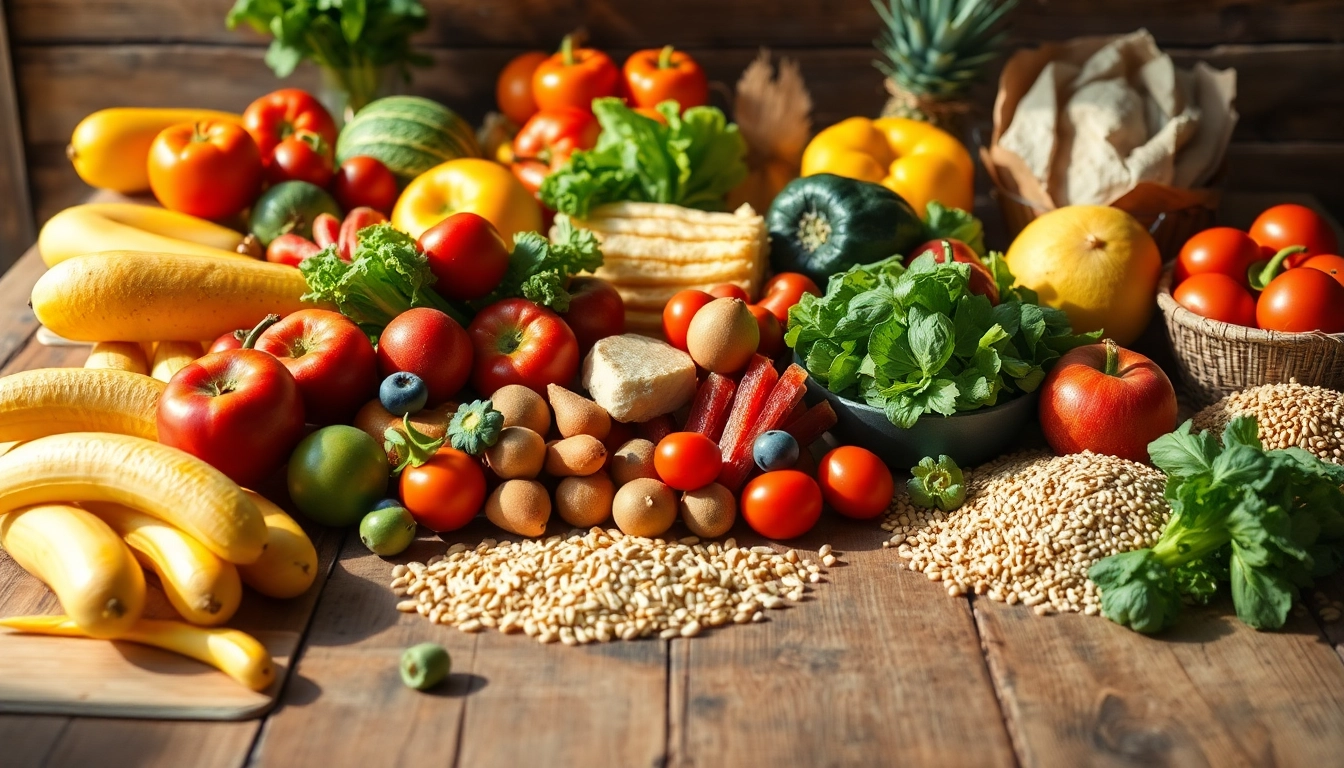
Understanding the Basics of Healthy Eating Habits
What Are Healthy Eating Habits?
Healthy eating habits encompass a broad range of practices that contribute to overall health and well-being. These habits include not only the types of food consumed but also the quantity, timing, and the emotional connection to food. Fundamental to healthy eating is a balanced diet, variably defined but generally accepted as inclusive of fruits, vegetables, whole grains, protein sources, and healthy fats while minimizing sugars, salts, and unhealthy fats.
Why Healthy Eating Matters
Adopting Healthy Eating Habits can significantly impact overall health. A well-balanced diet helps maintain a healthy weight, supports the body's growth and repair mechanisms, and lowers the risk of chronic diseases such as heart disease, diabetes, and cancer. Furthermore, proper nutrition enhances mental well-being, improves cognitive function, and can even have a positive effect on mood.
Key Components of a Balanced Diet
A balanced diet consists of several key components:
- Fruits and Vegetables: Aim for a variety to ensure a wide range of vitamins, minerals, and antioxidants.
- Whole Grains: Foods like brown rice, quinoa, and whole wheat bread provide essential fiber and nutrients.
- Proteins: Include lean meats, poultry, fish, beans, and nuts in your diet.
- Dairy or Dairy Alternatives: Choose low-fat options or plant-based alternatives.
- Healthy Fats: Incorporate sources like olive oil, avocados, and fatty fish while avoiding trans fats and limiting saturated fats.
Practical Steps to Adopt Healthy Eating Habits
Creating a Weekly Balanced Meal Plan
Meal planning serves as a crucial roadmap for maintaining healthy eating habits. By dedicating time each week to plan meals, individuals can ensure they incorporate a variety of food groups. Start by setting aside an hour to brainstorm meals for the week. Aim for meals that balance protein, carbohydrates, and fats.
Begin with a mix of recipes that include seasonal fruits and vegetables, which can often be more affordable and flavorful. Consider preparing batches of meals in advance to eliminate the temptation of unhealthy fast-food options during busy weekdays.
Shopping Tips for a Healthy Kitchen
Healthy eating begins prior to cooking—at the grocery store. Here are some effective buying strategies:
- Shop the Perimeter: Stick to the outer aisles where fresh produce, dairy, and meats are usually located.
- Make a List: Prepare a shopping list to avoid impulse purchases of unhealthy snacks and processed foods.
- Read Labels: Pay attention to ingredients and nutritional information to choose products with lower sugar and sodium.
- Buy in Bulk: For grains, nuts, and legumes, bulk buying can save money and ensure you always have healthy options on hand.
Meal Preparation for Success
Effective meal preparation can lead to better choices and less stress around mealtimes. Set aside some time each week for food prep. This can involve washing and chopping vegetables, cooking grains in bulk, or making proteins ready to season and cook. Portioning out healthy snacks like pre-cut vegetables or mixed nuts can also make reaching for healthy options easier throughout the week.
Overcoming Challenges in Maintaining Healthy Eating Habits
Common Obstacles and How to Address Them
People often encounter numerous barriers to maintaining healthy eating habits, including busy schedules, cravings for unhealthy foods, and social pressures. Acknowledging these challenges is the first step toward overcoming them. Tips include:
- Meal Prep: Plan meals in advance to ensure healthy food is readily available, reducing the likelihood of spontaneous unhealthy choices.
- Healthy Alternatives: Find nutritious substitutes for your favorite unhealthy foods, like baking instead of frying.
- Practice Portion Control: Use smaller plates to help modulate portions and prevent overeating.
Staying Motivated on Your Eating Journey
Maintaining motivation is vital to sustaining healthy eating habits. Tracking progress can provide visual incentives. Tools such as journals, apps, or charts can be instrumental in noting improvements in health markers or physical changes. Moreover, setting achievable goals and rewarding yourself for milestones can motivate continued dedication to healthy habits.
Utilizing Support Systems and Communities
Social support systems can play a significant role in maintaining healthy habits. Join local or online communities focused on nutrition and wellness to find motivation and accountability. Engaging friends or family in your journey can also forge environments where healthy cooking and eating become collective activities, making it more enjoyable.
The Role of Mindful Eating in Healthy Eating Habits
Practicing Mindful Eating Techniques
Mindful eating involves focusing on the food experience—tasting, smelling, and appreciating each bite. This technique encourages individuals to slow down and savor meals, which can enhance satisfaction and reduce overeating. To practice mindful eating:
- Limit Distractions: Avoid screens and other distractions during meals.
- Chew Slowly: Take time to chew food adequately, which aids digestion.
- Listen to Your Body: Eat when hungry and stop when satisfied, rather than adhering to external cues.
The Benefits of Slow Eating
Slow eating not only fosters mindfulness but can also result in significant health benefits. Research suggests that slower eating rates can lead to reduced calorie intake and improved digestion. Take time during meals to put utensils down between bites and engage in conversation, which naturally slows down the eating process.
Cultivating a Positive Relationship with Food
Creating a healthy emotional connection with food is essential for long-term success. It is vital to view food as nourishment rather than a source of guilt or stress. Focus on the pleasurable aspects of eating, such as the flavors and textures, and emphasize the health benefits of better food choices without labeling foods as strictly 'good' or 'bad.'
Measuring the Impact of Your Healthy Eating Habits
Tracking Progress and Achievements
Regularly tracking the impact of adopting healthy eating habits can motivate individuals to continue their courses of action. Monitoring weight, energy levels, sleep quality, and overall feelings of well-being can highlight tangible benefits. Use journals or health apps to map out improvements over time, allowing for adjustment and refinement of specific eating habits.
Adjusting Habits for Continued Improvement
Healthy eating is an ongoing journey that requires regular adjustments based on personal experiences and outcomes. If certain habits lead to dissatisfaction or don't produce desired results, it's essential to reevaluate and implement changes. Flexibility and openness to change can simplify the adaptation of healthy habits.
Long-Term Health Outcomes of Healthy Eating
Consistent adherence to Healthy Eating Habits positively correlates with a longer lifespan and a reduced risk of disease. The benefits include enhanced cardiovascular health, improved mental health, and better metabolic function. These changes contribute to an overall improved quality of life.
FAQs
1. What are the basic principles of Healthy Eating Habits?
Healthy Eating Habits include a balanced diet rich in fruits, vegetables, whole grains, proteins, and healthy fats, while reducing sugars and processed foods.
2. How can I start incorporating Healthy Eating Habits?
Begin by planning your meals, focusing on whole foods, and gradually replacing unhealthy options with nutritious alternatives.
3. Why are Healthy Eating Habits important for children?
Healthy Eating Habits support children's growth, development, and establish a foundation for lifelong health and wellness.
4. What are some quick Healthy Eating Habits I can adopt?
Snacks like fruits or nuts, drinking water instead of sugary drinks, and adding a vegetable to each meal are quick and easy habits to adopt.
5. Can I still enjoy treats while following Healthy Eating Habits?
Yes, moderation is key; you can enjoy treats occasionally as part of a balanced diet without compromising your Healthy Eating Habits.