Understanding Equipment Service
In today’s competitive landscape, understanding equipment service is pivotal for businesses that rely on machinery. Equipment service encompasses a range of maintenance practices that ensure machines operate efficiently, effectively, and safely. The right service not only prolongs the lifespan of equipment but also enhances productivity across industries. As machinery becomes more technologically advanced, the necessity for expert servicing becomes paramount for operational success.
What is Equipment Service?
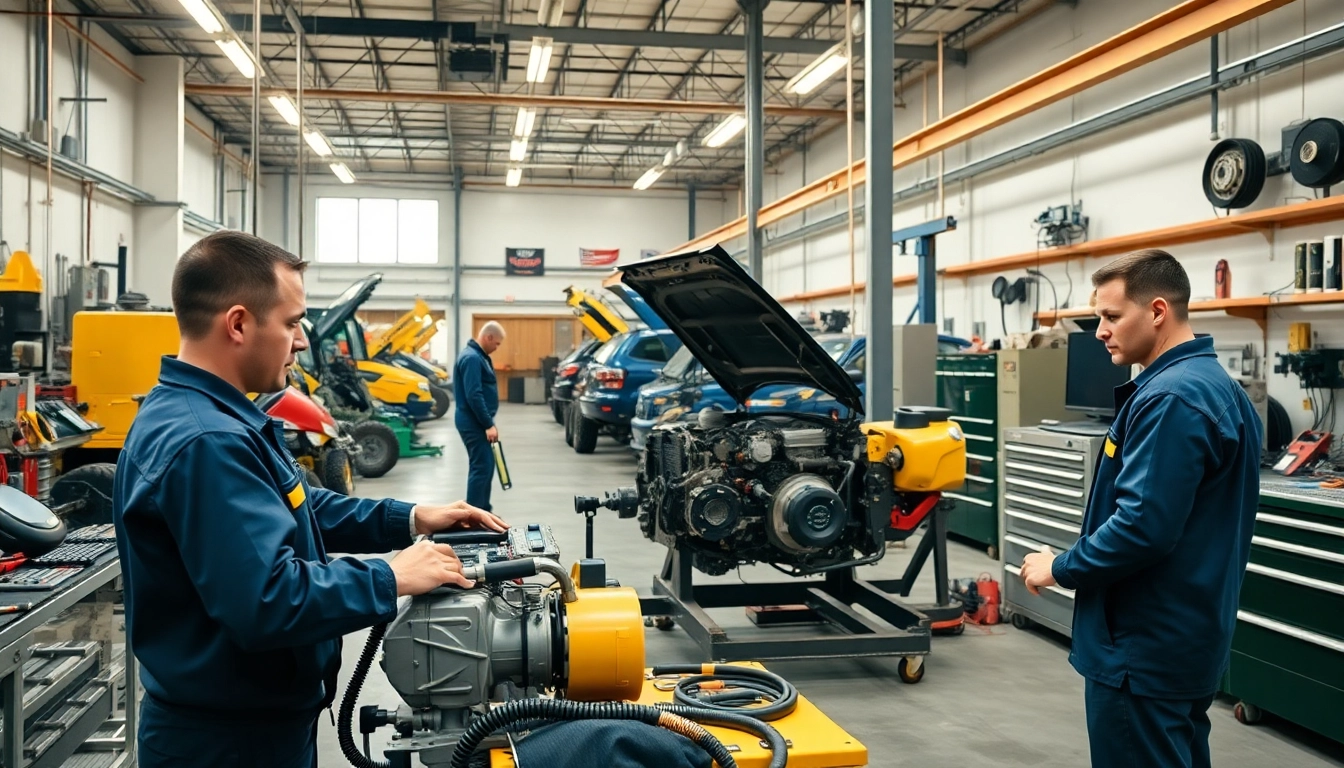
Equipment service refers to a variety of procedures aimed at maintaining, repairing, and enhancing the functionality of machinery. This includes actions like inspections, repairs, calibrations, and the replacement of parts. The scope can range from routine checks to extensive overhauls, ensuring that the equipment meets performance standards and complies with safety regulations.
The Importance of Regular Maintenance
Regular maintenance is vital for several reasons. It minimizes the risk of downtime, extends the equipment's lifespan, and increases reliability. Maintaining machinery helps in identifying potential issues before they escalate into costly repairs or replacements. Moreover, scheduling regular service enhances compliance with safety standards and regulations, protecting businesses from fines and legal ramifications.
Common Equipment Service Practices
Common practices include:
- Routine Inspections: Scheduled checks to evaluate the equipment's condition.
- Calibration: Adjusting equipment to ensure it operates within specified parameters.
- Repairs: Providing solutions for identified issues to restore functionality.
- Part Replacement: Swapping out worn parts to maintain machine efficiency.
- Cleaning: Preventive maintenance that prolongs equipment life by reducing wear from dirt and debris.
Types of Equipment Service
Preventive Equipment Service Methods
Preventive maintenance focuses on routine actions designed to prevent failures. Regular intervals of service—typically based on the manufacturer's recommendations or historical data—help keep equipment in peak condition. This method can involve various activities such as oil changes, filter replacements, and checking hydraulic systems to ensure everything is functioning as expected.
Corrective Equipment Service Approaches
Corrective maintenance occurs after equipment breakdowns or failures. This method involves identifying the cause of a malfunction and implementing repairs as needed. While less desirable than preventive maintenance, corrective service is essential for malfunctioning equipment to return to operational status quickly. It is often reactive and can lead to unforeseen costs if not managed properly.
Predictive Maintenance Techniques
Predictive maintenance utilizes advanced technology to foresee when equipment might fail. By analyzing operational data and using tools like vibration analysis or thermal imaging, businesses can schedule maintenance at the ideal time—just before failure is likely to occur. This proactive approach helps in optimizing maintenance schedules and can significantly reduce costs associated with unplanned downtime.
Choosing the Right Equipment Service Provider
Key Factors to Consider
Selecting an appropriate equipment service provider is crucial for ensuring reliable maintenance. Factors to consider include:
- Experience and Expertise: Choose a provider with a proven track record in servicing your type of equipment.
- Service Range: Ensure they offer the specific services needed for your machines.
- Certifications: Look for recognized certifications that demonstrate proficiency and adherence to industry standards.
- Customer Service: Providers should offer timely and efficient services with good communication.
- Cost Estimates: Ensure transparency in pricing for services provided.
Red Flags to Avoid
While choosing a service provider, be wary of potential red flags such as:
- Lack of Transparency: Providers who cannot provide clear pricing or service details may not be trustworthy.
- Limited Experience: Companies with a short history in the field may lack the necessary expertise.
- Poor Reviews: Check for customer feedback online; negative reviews can indicate serious issues.
- Insufficient Certifications: Providers should possess relevant certifications or affiliations with industry organizations.
Questions to Ask Before Hiring
Before finalizing your provider, ask the following questions:
- What is your experience with my specific equipment?
- What types of warranties do you offer on your service?
- Can you provide references from past clients?
- How do you handle emergency service requests?
- What are your typical response times for service calls?
Benefits of Professional Equipment Service
Extended Equipment Lifespan
One of the most significant advantages of organized equipment service is the extension of equipment lifespan. Regular maintenance addresses wear and tear proactively, reducing the likelihood of catastrophic failures that can lead to expensive replacements.
Enhanced Operational Efficiency
Equipment that receives regular professional service tends to operate more efficiently. Regular checks and maintenance ensure that machinery runs at its optimal capacity, minimizing energy consumption and enhancing performance. Consequently, this leads to increased productivity and better output quality.
Cost Savings Through Effective Maintenance
Investing in professional equipment service may initially seem expensive, but the long-term savings are substantial. Proactive maintenance reduces the likelihood of emergency repairs, which are usually costlier. Furthermore, efficient machinery leads to reduced operational costs, thereby increasing overall profitability.
FAQs About Equipment Service
What is the typical cost of equipment service?
Costs vary based on the equipment type and service depth. On average, expect to pay between $100 and $500 per service, but more complex machinery can cost significantly more.
How often should equipment service be performed?
Service frequency depends on the equipment type and usage. Generally, a service check is recommended every 6 to 12 months, but high-use machinery may require more frequent inspections.
What are the signs that my equipment needs servicing?
Signs include unusual noises, reduced efficiency, frequent breakdowns, and warning lights on machinery dashboards. Recognizing these signs early can prevent serious issues.
Can equipment service be done in-house?
In-house servicing is possible, especially for minor maintenance checks. However, complex repairs typically require professional expertise and specialized tools for safety and efficiency.
What should I look for in a service contract?
Ensure the contract includes detailed service descriptions, warranty terms, costs, response times, and conditions for emergency repairs. Clarity is essential to avoid surprises.