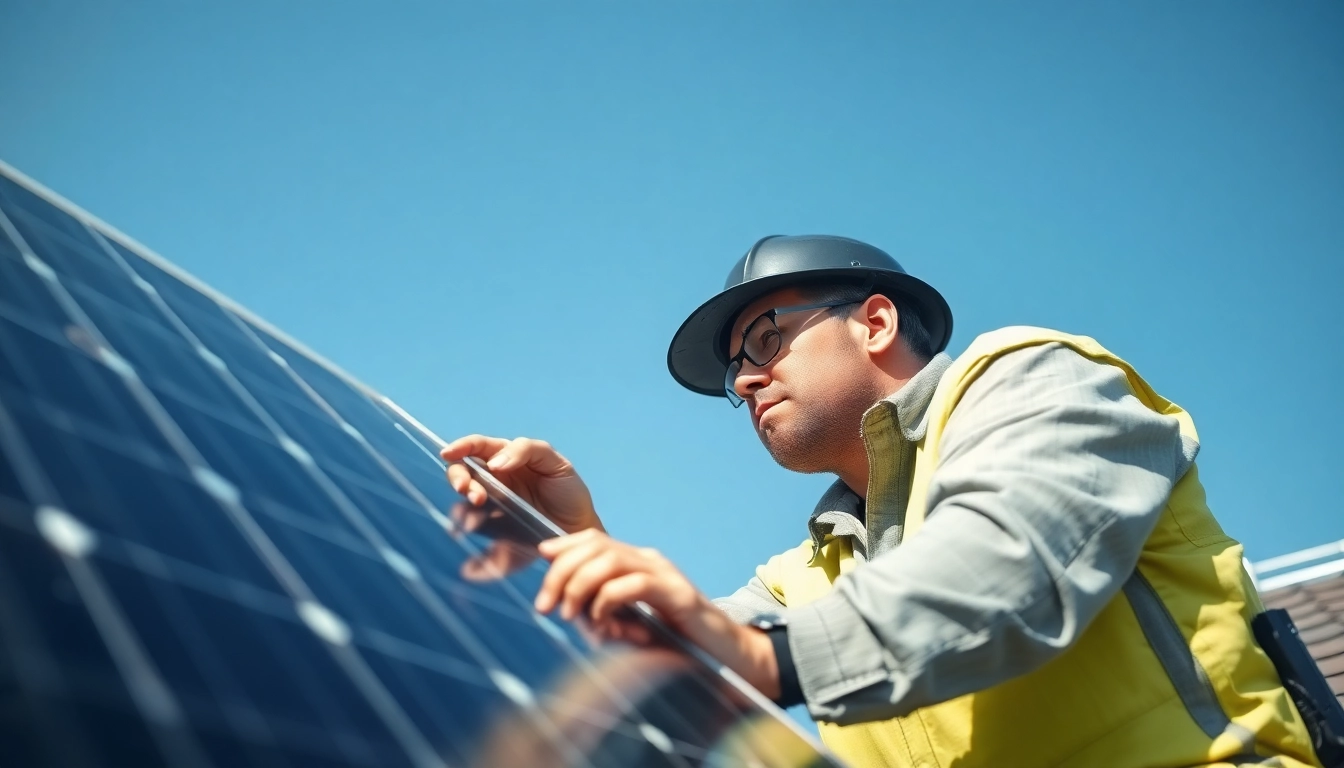
Understanding Solar Panel Repair
Solar panels are essential for harnessing renewable energy, helping homeowners and businesses reduce their electricity bills and carbon footprint. However, just like any technology, solar panels can experience issues that require professional intervention or even DIY repairs. Understanding the intricacies of solar panel repair not only ensures the longevity of your solar system but also optimizes its performance.
What is Solar Panel Repair?
Solar panel repair encompasses various activities aimed at restoring functionality to damaged or malfunctioning solar systems. This can include electrical repairs, panel replacement, fixing connections, and addressing software issues in solar monitoring systems. The ultimate goal of solar panel repair is to ensure that solar energy systems operate at peak efficiency, providing optimal energy production for the users.
Common Issues Leading to Repairs
Several common issues can lead to the need for solar panel repairs, including:
- Physical Damage: Hail, debris, or severe weather can cause physical damage to solar panels, such as cracks or shattered glass.
- Electrical Issues: Wiring problems and connectivity issues can disrupt electrical flow, affecting overall energy production.
- Inverter Malfunctions: The inverter is crucial for converting solar energy into usable electricity; a malfunction can lead to decreased system efficiency.
- Microcracks: These can occur due to manufacturing defects or physical impacts and often impede the energy conversion process.
Importance of Timely Repairs
Addressing solar panel issues promptly is vital for several reasons. First, even minor problems can lead to significant drops in energy production, which can, in turn, affect your electricity bills. Second, delaying repairs can exacerbate existing issues, leading to more extensive and costly repairs in the future. Moreover, timely repairs ensure that the warranty coverage remains intact, preventing potential out-of-pocket expenses related to unaddressed issues.
Identifying Solar Panel Damage
Signs Your Solar Panels Need Repair
Identifying damage early can save homeowners significant time and money. Key signs of potential issues include:
- Visible Damages: Cracks, chips, or broken glass on the panels should be addressed immediately.
- Declining Output: Monitoring systems that indicate a drop in energy output signal potential issues.
- Inverter Errors: Error messages or warning lights on the inverter can point to underlying electrical issues.
- Increased Electricity Bills: A sudden increase in energy costs may suggest your solar panels aren't functioning efficiently.
Electrical and Physical Inspection Techniques
Regular inspections can help spot potential issues before they require expensive repairs. Techniques include:
- Visual Inspection: Periodically examine panels for physical damage, and check connections for signs of wear or corrosion.
- Voltage Testing: Use a multimeter to assess voltage output across the solar panels, ensuring readings align with manufacturer specifications.
- Thermal Imaging: Infrared cameras can help identify overheating components which may signify underlying issues.
When to Call for Professional Help
While DIY repairs can be helpful, certain situations necessitate professional assistance:
- Complex electrical issues beyond basic troubleshooting skills.
- Structural damage requiring more than just panel replacement.
- Inverter issues that involve hardwired connections.
- Uncertainty about the cause of system inefficiency or failures.
DIY Solar Panel Repair Techniques
Essential Tools for DIY Repairs
Should you choose to tackle minor repairs yourself, having the right tools is essential. Some of the must-have tools include:
- Multimeter: To test electrical connections and output.
- Safety Goggles: To protect your eyes during inspections and repairs.
- Insulation Gloves: For electrical safety when working with inverters.
- Screwdrivers and Wrenches: Needed for tightening or replacing connectors.
- Cleaning Supplies: Mild soap, water, and soft brushes for keeping solar panels clean and operational.
Step-by-Step Repair Guide
Here are basic steps to follow for some common DIY solar panel repairs:
- Inspect for Damage: Regularly check panels for physical harm or unusual sounds.
- Clean the Panels: Remove dirt and debris to prevent performance drops.
- Tighten Connections: Ensure all electrical connections are secure and corrosion-free.
- Replace Faulty Components: If microcracks are detected, consider replacing that specific solar cell.
- Test System Output: Use a multimeter to verify that the system is producing the expected voltage.
Safety Precautions to Consider
Safety should always come first in any repair:
- Always wear appropriate safety gear.
- Turn off your solar system before initiating repairs.
- Work with a partner if on rooftops to ensure safety and assistance.
- Avoid performing repairs during adverse weather conditions.
Costs Involved in Solar Panel Repair
Average Repair Costs Overview
Understanding the financial aspect of solar panel repairs is crucial for budgeting. Depending on the repair's complexity, costs can range widely. Common averages include:
- Minor repairs (cleaning, tightening connections): $100-$300.
- Moderate repairs (panel replacement): $300-$1,500.
- Major repairs (inverter replacement, extensive system damage): $1,500-$3,000.
Factors Influencing Repair Costs
Several factors influence the total cost of solar panel repair, including:
- Extent of Damage: Minor fixes will cost less compared to significant structural or electrical repairs.
- Type of Panel: Different panels may have varying replacement costs.
- Location: Geographic area can impact labor prices and availability of materials.
- Professional vs. DIY: Hiring professionals generally incurs higher costs compared to DIY repairs.
Insurance and Warranties for Repairs
It's essential to review your solar panel's warranty and insurance coverage. Many manufacturers provide warranties that cover defects, while homeowners’ insurance may cover natural disasters. Keeping a record of all maintenance and repairs performed can help ensure warranty claims are honored in the event of severe damage.
Maintenance and Prevention
Regular Maintenance Practices for Longevity
Routine maintenance is key to prolonging the life of your solar energy system. Recommended practices include:
- Cleaning the panels at least twice a year to remove dust and debris.
- Annual inspections by professionals to ensure overall system integrity.
- Monitoring the system’s output regularly to detect issues early.
- Trimming trees and clearing obstructions that might cast shadows on panels.
Tips to Prevent Future Damage
Preventive measures can save time and money in the long run. Consider these tips:
- Install hail-proof or reinforced panels if living in high-impact areas.
- Utilize professional installation to minimize future issues.
- Consider installing a monitoring system to track output and alert you of performance drops.
- Regularly check and repair your roofing if solar panels are roof-mounted.
Resources for Ongoing Education
Staying informed about advancements in solar technology and repair techniques is vital for maintaining your system. Consider the following resources:
- Online forums and communities dedicated to solar energy.
- Webinars and local workshops focusing on solar technology and maintenance.
- Manufacturers’ websites for the latest repair guidelines and techniques.
- Books and articles from reputable authors in the field of solar energy.
Frequently Asked Questions
1. How can I tell if my solar panels need repair?
Look for visible damage, declining energy output, inverter error messages, or increased electricity bills. Regular inspections help catch issues early.
2. What are the common signs of solar panel damage?
Common signs include cracks or chips on the panels, discolored areas, and physical detachment from the mounting structure.
3. Can I perform solar panel repairs myself?
Minor repairs can be done yourself, such as cleaning and tightening connections. However, complex electrical issues should be handled by professionals.
4. What factors affect the cost of solar panel repairs?
Cost factors include the extent of damage, the type of panel, geographic location, and whether the repairs are DIY or performed by a professional.
5. How often should I maintain my solar panels?
A good practice is to clean the panels twice a year and schedule a professional inspection annually to ensure optimal performance.