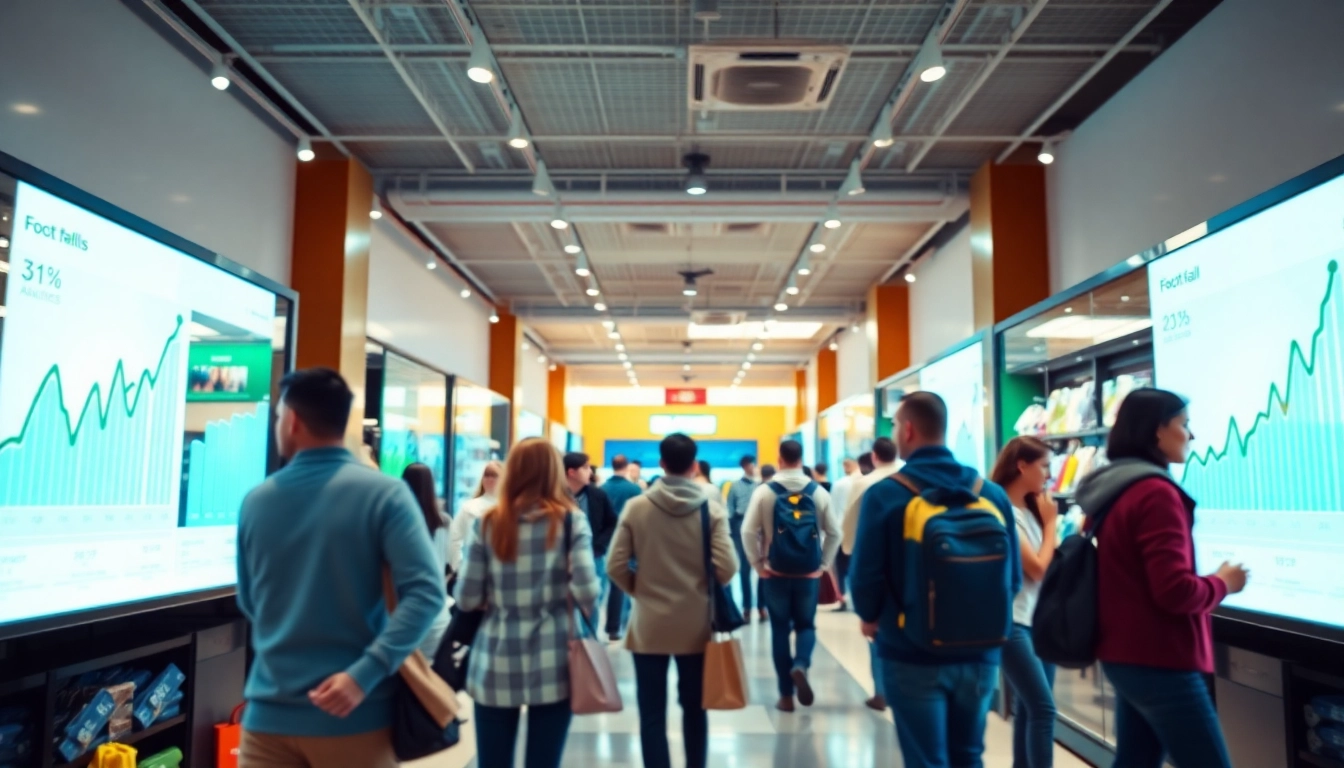
Understanding Retail Footfall Analytics
What is Retail Footfall Analytics?
Retail footfall analytics refers to the comprehensive measurement and analysis of customer traffic within retail spaces. This involves not merely counting the number of people entering a store but understanding their behavior—how they navigate through the space, the time they spend in specific sections, and their overall engagement with products and displays. By leveraging retail footfall analytics, retailers can transform raw data into valuable insights that guide marketing strategies, store layouts, and customer experiences.
The Importance of Tracking Footfall
Tracking footfall is crucial for optimizing store performance. Knowledge of customer traffic patterns enables retailers to make informed decisions to enhance customer engagement and sales. Understanding peak hours, assessing store layout effectiveness, and tailoring marketing strategies according to customer flow can significantly elevate a retailer's success. Moreover, footfall analytics helps in inventory management and staff scheduling, ensuring optimal operations at all times.
Technologies Used in Footfall Analytics
Various technologies can be utilized to collect footfall data. These include:
- Infrared Sensors: These devices track the number of persons passing through a designated area by detecting body heat.
- Video Analytics: Advanced computer vision systems analyze real-time video feeds to count customers and monitor their movements.
- Mobile Tracking: Utilizing smartphones, this method monitors customer traffic patterns via GPS technology.
- Wi-Fi Analytics: Capturing smart device signals to track customer movements throughout the store.
Key Metrics in Footfall Analytics
Measuring Customer Dwell Time
Dwell time is a critical metric reflecting the duration a customer spends in a specific area of the store. By measuring dwell time, retailers gain insights into customer interest levels in particular products or departments. Longer dwell times typically indicate engagement, while short dwell times might point to disinterest or a need for reevaluation of product placement.
Understanding Customer Flow
Customer flow analysis helps retailers understand how shoppers navigate their store. By analyzing traffic patterns, businesses can identify bottlenecks or areas that receive less attention. This information can lead to adjustments in product placement to optimize flow, encourage impulse purchases, and overall enhance the shopping experience.
Analyzing Conversion Rates
Conversion rates—how many visitors become paying customers—are pivotal metrics in retail. Analyzing footfall data alongside sales figures can provide essential feedback for operational strategies. If footfall is high but conversion rates are low, it may suggest issues with product offerings or customer service that need attention.
Implementing Footfall Analytics in Your Retail Strategy
Best Practices for Data Collection
To effectively implement footfall analytics, retailers should establish robust data collection practices including:
- Using multiple data collection methods to ensure a comprehensive understanding of foot traffic.
- Regularly calibrating sensors and analytics software to maintain data accuracy.
- Setting clear objectives for data use to guide collection processes effectively.
Integrating Insights into Business Decisions
Insights from retail footfall analytics should directly inform business strategies. Retailers can create actionable plans by correlating footfall data with sales data, possibly adjusting marketing strategies or store layouts. Regularly reviewing these insights ensures continuous improvement and adaptation to customer behaviors.
Case Studies of Success
Numerous retailers have effectively utilized footfall analytics to enhance their performance. For instance, a fashion retailer implemented heat mapping technology to visualize customer movements, which allowed them to optimize store layout, resulting in a 15% increase in sales within three months. Such real-life applications underscore the value of data-driven decision-making.
Challenges in Using Footfall Analytics
Data Accuracy and Reliability
One of the primary challenges in footfall analytics is ensuring data accuracy. Factors such as sensor malfunctions or environmental conditions can impact reliability. Regular maintenance and validation of data collection tools assist in maintaining high standards of accuracy.
Addressing Privacy Concerns
As footfall analytics often involve capturing customer movements, privacy concerns are to be addressed seriously. Retailers must ensure compliance with data protection regulations and communicate transparently about what data is collected and how it is used, building trust with their customers.
Overcoming Technological Barriers
Technological hurdles can pose significant challenges. Retailers may encounter issues integrating new technologies with existing systems. To overcome these barriers, selecting versatile, easily integrative systems and investing in training for staff can smoothen the adoption process.
Future Trends in Retail Footfall Analytics
Emerging Technologies to Watch
The future of retail footfall analytics is promising, with technologies like artificial intelligence (AI) and machine learning coming to the forefront. These technologies can offer predictive insights, enhancing the ability to foresee customer behavior and tailor marketing strategies preemptively.
Predictions for Industry Evolution
As footfall analytics continue to evolve, the integration of multi-modal data sources is expected to become more common. Combining footfall analytics with online shopping data will provide retailers with holistic insights into consumer behavior, allowing for even smarter strategy formulation.
Innovative Use Cases for Retailers
Future innovative applications might include the use of augmented reality (AR) to enhance customer shopping experiences or gamifying customer interactions within the store based on footfall data. These approaches would not only engage customers but also foster a deeper connection to the brand.
Frequently Asked Questions
What is the main purpose of retail footfall analytics?
Retail footfall analytics primarily aims to measure and analyze how customers interact within a retail space, enabling businesses to enhance store strategies, optimize layouts, and improve customer experience.
How can footfall analytics improve sales?
By understanding customer behavior patterns, retailers can optimize product placement, tailor marketing efforts, and ensure adequate staffing during peak hours, which collectively contribute to increased sales.
What technologies are best for measuring footfall?
Technologies like infrared sensors, video analytics, Wi-Fi tracking, and mobile tracking are effective for accurately measuring customer footfall and gaining actionable insights from the data.
How often should footfall data be analyzed?
Footfall data should be analyzed regularly—ideally weekly or monthly—to identify trends, make timely adjustments in strategy, and keep pace with changing customer behaviors.
Are there privacy concerns with footfall analytics?
Yes, privacy concerns are vital. Retailers must comply with data protection laws and maintain transparency about data collection practices to build trust with customers.