
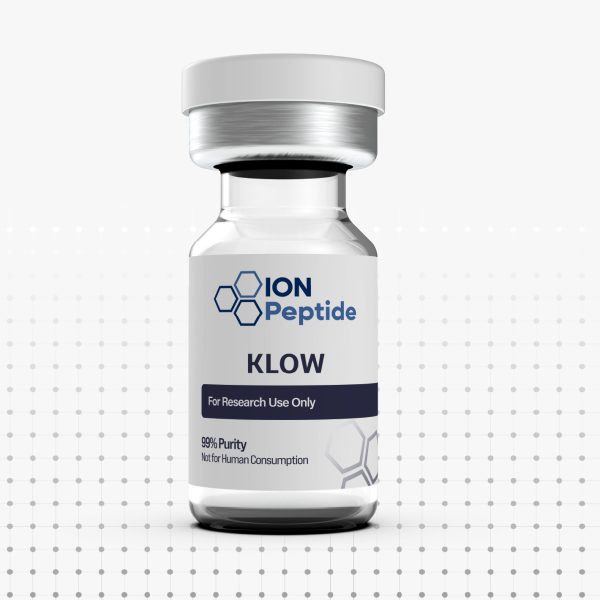
Introduction to Selank
Selank is a synthetic heptapeptide that has gained significant attention in neurochemical and behavioral research due to its potential role in modulating anxiety-related pathways. In experimental settings, Selank is frequently studied for its influence on cognitive stability, stress response regulation, and neurochemical balance. Researchers investigating Selank often focus on its interaction with central nervous system signaling, particularly in models of anxiety-like behavior.
Selank is considered an important research compound in peptide science because Selank demonstrates a unique profile compared to traditional anxiolytic agents. Unlike conventional compounds, Selank is evaluated for its peptide-based mechanism of action, which makes Selank a valuable subject in laboratory-based neuropharmacology. As interest grows, Selank continues to be explored for its broader implications in behavioral neuroscience and neurochemical adaptation.
Molecular Profile and Mechanism of Selank
Neurochemical Modulation of Selank
The molecular structure of Selank is designed to interact with key regulatory systems in the brain. Selank has been studied for its influence on neurotransmitter balance, particularly in systems associated with stress and emotional regulation. Within research models, Selank is observed to affect the expression of neurotrophic factors and signaling molecules that may contribute to adaptive neural responses.
Selank is also examined for its stability and resistance to enzymatic degradation, making Selank a practical candidate for controlled laboratory studies. Researchers often highlight that Selank exhibits both fast-acting and sustained modulatory effects in experimental observations.
Selank’s mechanism is further associated with its potential impact on immune-neuro interactions, which positions Selank as a multifaceted peptide in experimental neurobiology.
Research Applications of Selank in Anxiety Studies
Selank is widely used in experimental anxiety models to evaluate behavioral and biochemical responses under stress-inducing conditions. In preclinical studies, Selank is analyzed for its ability to influence exploratory behavior, stress tolerance, and emotional reactivity.
Selank is also incorporated into research exploring conditioned fear responses and adaptive behavioral mechanisms. In these models, Selank helps researchers observe shifts in stress-related markers and neural activity patterns. Additionally, Selank is often compared with other peptides to assess its relative effectiveness in modulating anxiety-associated pathways.
Another key area where Selank is utilized involves cognitive performance studies. Selank is examined for its possible role in attention regulation, memory processing, and information retention in controlled experimental environments.
Selank and Neurotransmitter Regulation
Impact on GABA and Serotonin Systems
Selank is frequently analyzed for its interaction with major neurotransmitter systems, particularly gamma-aminobutyric acid (GABA) and serotonin pathways. In laboratory research, Selank is observed to support regulatory balance within inhibitory and excitatory signaling systems.
Selank may also influence serotonin-related pathways, which are critical in mood and emotional response studies. Researchers investigating Selank often evaluate changes in receptor sensitivity and neurotransmitter turnover rates under controlled conditions.
Selank’s role in neurotransmitter modulation makes it a valuable compound in studies focusing on stress adaptation and emotional regulation mechanisms.
Neurochemical Stability and Regulation
In extended neurochemical studies, Selank is assessed for its ability to maintain signaling stability under stress-induced conditions. Selank is used to evaluate how peptide-based compounds can influence long-term regulatory adaptations in neural networks.
Potential Experimental Benefits of Selank in Laboratory Research
Selank is widely regarded as a versatile research peptide due to its multi-system effects. In controlled environments, Selank is studied for its potential to support balanced neural signaling and stress response regulation.
Selank is also examined for its role in improving adaptive behavior in experimental stress models. Researchers often note that Selank provides consistent outcomes in behavioral assays, making Selank valuable for reproducible studies.
Additionally, Selank is investigated for its possible effects on neuroplasticity-related pathways. These studies aim to understand how Selank may contribute to structural and functional neural adaptations over time.
Handling, Storage, and Research Use of Selank
Proper handling of Selank is essential in laboratory environments to maintain compound stability. Selank is typically stored under controlled temperature conditions to preserve its molecular integrity. Researchers working with Selank ensure that exposure to heat, moisture, and light is minimized.
Selank is generally prepared in controlled laboratory settings following strict research protocols. Accurate dosing and measurement procedures are essential when working with Selank to ensure consistency in experimental outcomes.
Selank is exclusively utilized for scientific research purposes in regulated environments, where its properties are analyzed under controlled variables.
Comparative Overview of Selank in Peptide Research
Selank is often compared with other neuroactive peptides in order to evaluate its relative efficacy in anxiety and stress-related models. In comparative studies, Selank demonstrates a distinct profile characterized by its dual action on both neurochemical and behavioral parameters.
Selank differs from many conventional compounds due to its peptide-based structure, which allows Selank to interact with biological systems in a highly targeted manner. Researchers frequently assess Selank alongside similar compounds to identify differences in mechanism, stability, and behavioral outcomes.
Selank continues to stand out in peptide research due to its broad range of experimental applications and consistent laboratory performance.
Future Directions in Selank Research
The future of Selank research is expected to expand into more advanced neurobiological and molecular studies. Selank may be further explored for its role in complex neural network regulation and long-term behavioral adaptation.
Selank is also anticipated to be studied in combination with other peptides to evaluate synergistic effects in neurochemical research models. These investigations may provide deeper insight into how Selank contributes to integrated brain system regulation.
As scientific interest grows, Selank is likely to remain a key compound in the exploration of peptide-based neurochemical modulation.
Conclusion
Selank continues to be a significant focus in neurochemical and anxiety-related research due to its unique peptide structure and broad experimental applications. Selank is widely studied for its potential influence on neurotransmitter systems, behavioral responses, and neural adaptation mechanisms. Through ongoing laboratory investigations, Selank remains an important tool for understanding peptide-based regulation of stress and emotional processing in controlled scientific environments.