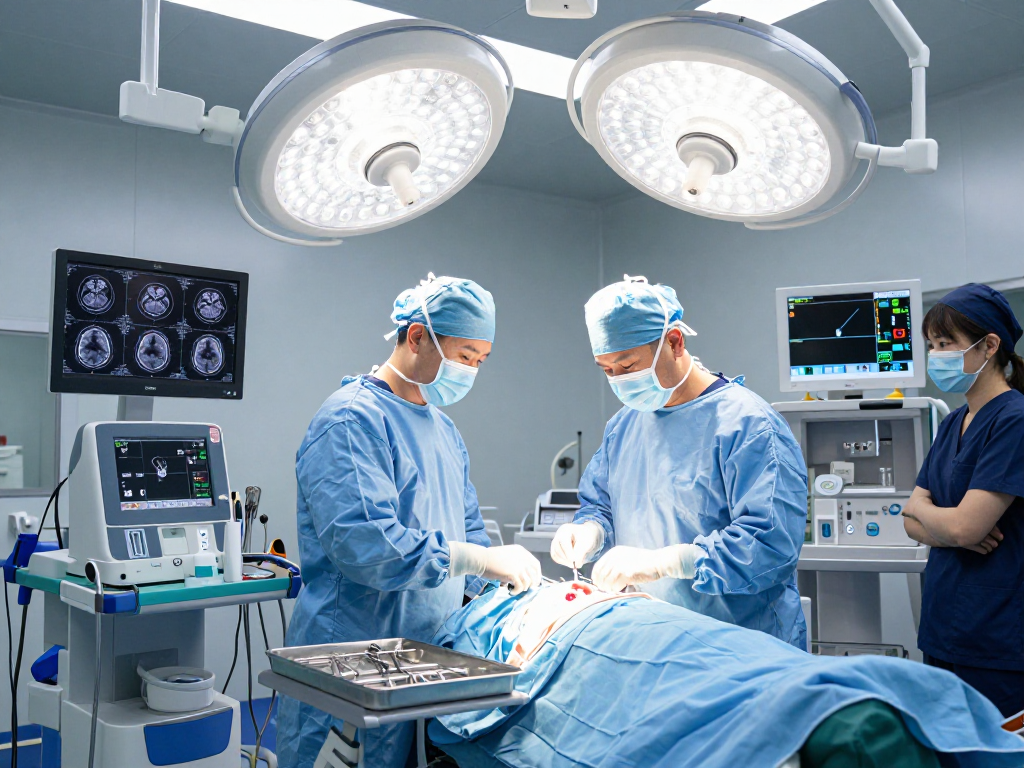
Understanding Brain Tumor Surgery
Brain tumor surgery, known as beyin tümörü ameliyatı in Turkish, is a critical medical intervention aimed at removing tumors that can be either benign or malignant. This complex procedure is essential for managing various brain tumors, including meningiomas, glial tumors, and metastases from other cancers. Advances in surgical techniques and technology have significantly improved the outcomes and safety of brain surgeries, making it imperative for patients and caregivers to understand what to expect throughout the process. When exploring options, beyin tümörü ameliyatı provides comprehensive insights into the complexities of these procedures and the various considerations involved in treatment planning.
What is Beyin Tümörü Ameliyatı?
Brain tumor surgery refers to the neurosurgical procedures undertaken to remove tumor masses from the brain. These surgeries are tailored to the tumor type, location, and the patient's overall neurological status. The primary objective is to excise the tumor while minimizing damage to surrounding healthy brain tissue. This is crucial to preserve the patient's cognitive and motor functions post-surgery. Depending on the severity and nature of the tumor, surgical interventions can vary drastically.
Types of Brain Tumors and Their Impact
Brain tumors can be categorized into primary and secondary tumors. Primary tumors originate in the brain, including types such as glial tumors, meningiomas, and pituitary adenomas. Secondary tumors occur when cancer cells spread to the brain from other body parts, often indicating advanced systemic disease. Understanding these distinctions is essential for determining appropriate treatment strategies.
Importance of Accurate Diagnosis Before Surgery
Before undergoing surgery, a comprehensive diagnostic process is critical. This typically involves a combination of MRI scans, CT scans, and sometimes biopsies to determine the tumor's type, size, location, and its relationship with nearby brain structures. Accurate diagnosis not only guides the surgical approach but also helps in formulating a targeted postoperative care plan.
Surgical Techniques and Innovations
Modern Neurosurgical Approaches to Tumor Removal
With advancements in technology, modern neurosurgery has evolved significantly. Techniques such as microdissection, endoscopy, and neuronavigation have enhanced the precision of tumor resections. Neuronavigation assists surgeons in accurately locating tumors in real-time, resulting in better outcomes and less trauma to healthy brain tissue.
Awake Brain Surgery: Benefits and Considerations
One innovative approach in brain tumor surgery is awake brain surgery, a technique that allows surgeons to test brain functions during the operation. Patients remain conscious and can respond to commands, which helps the surgical team to identify critical areas of the brain that should be preserved. This technique is particularly valuable in surgeries involving tumors located near speech or motor centers.
Technological Advances Enhancing Surgical Precision
Technological innovations such as intraoperative imaging and robotic assistance have transformed the landscape of neurosurgery. These tools help in visualizing the tumor and surrounding structures in real-time, enabling surgeons to tailor their approach to each unique case and reduce the likelihood of postoperative complications.
Risks and Complications Associated with Surgery
Common Surgical Risks and Their Management
While brain tumor surgeries are often life-saving, they carry inherent risks, including infection, bleeding, and neurological deficits. It is crucial for patients to discuss these risks with their medical team, as proactive measures can often mitigate them. For example, preoperative assessments and meticulous surgical techniques can significantly reduce the complication rates.
Post-Operative Complications: What to Expect
Post-surgery, patients may experience various complications that can range from mild to severe. Common issues include headaches, seizures, and cognitive changes. Understanding these potential outcomes helps in preparing for effective management strategies and support systems during recovery.
Mental Health Considerations After Surgery
After undergoing brain tumor surgery, mental health support is often as crucial as physical recovery. Patients may face emotional challenges, including anxiety and depression. Counseling, support groups, and medication can play essential roles in helping patients cope with their experiences and adjust to life post-surgery.
Post-Surgery Care and Recovery Processes
Immediate Post-Operative Care in Hospital
After surgery, patients are typically monitored in an intensive care unit (ICU) for a short period. Vital signs, neurological status, and signs of complications are closely observed. Depending on the extent of the surgery and the patient's progress, the duration of ICU stay can vary.
Home Recovery Tips and Guidelines
Once discharged, patients should follow specific guidelines to ensure optimal recovery. These may include activity restrictions, medication regimens, and follow-up appointments. Establishing a strong support network at home can also aid in a smoother recovery process.
Long-Term Follow-Up and Monitoring
Long-term management post-brain tumor surgery is critical for monitoring potential tumor recurrence and managing any ongoing health issues. Regular follow-up appointments with a healthcare team, including neurologists and oncologists, allow for timely interventions should changes arise.
Future Perspectives on Brain Tumor Surgery
Emerging Trends in Neurosurgery for 2026
The future of brain tumor surgery is bright, with ongoing research focusing on minimally invasive techniques and personalized treatment plans. These advancements aim to enhance surgical outcomes and reduce recovery times significantly while improving overall patient experiences.
Role of Personalized Medicine in Treatment
Personalized medicine, which tailors treatment strategies based on individual characteristics, is becoming increasingly important. This approach allows for more effective combinations of surgery, radiation, and chemotherapy tailored to the genetic makeup of the tumor and the patient's health profile.
Patient Empowerment in Treatment Decisions
Empowering patients with knowledge about their conditions and treatment options is vital. Engaging patients in decision-making fosters better adherence to treatment plans and can improve overall satisfaction with the care received.
What are the signs of complications after surgery?
Patients should be aware of signs that may indicate complications post-surgery, including persistent headaches, vision changes, seizures, or any sudden changes in mood or cognitive function. Early recognition and action can significantly affect recovery outcomes.
How long does recovery take after beyın tümörü ameliyatı?
The duration of recovery following brain tumor surgery can vary widely among individuals. Factors influencing healing time include the type and extent of the surgery, the patient's overall health, and possible pre-existing conditions. Recovery can take from a few weeks to several months.
What are the different types of brain tumors?
Brain tumors are classified as primary or secondary, with numerous specific types under each category. Common types include gliomas, meningiomas, and metastatic tumors from other cancers. Each type has its unique characteristics, which influence treatment strategies.
What factors influence treatment options for brain tumors?
Treatment options for brain tumors depend on various factors, including the tumor's type, location, grade, the patient's overall health, and personal preferences. These considerations are crucial in guiding the treatment process and achieving the best outcomes.
Is awake brain surgery safe and effective?
Awake brain surgery is a safe and effective technique when performed in suitable candidates. For more information, beyin tümörü ameliyatı offers valuable insights. This method allows surgeons to monitor critical brain functions during the procedure, significantly reducing the risk of postoperative neurological deficits.