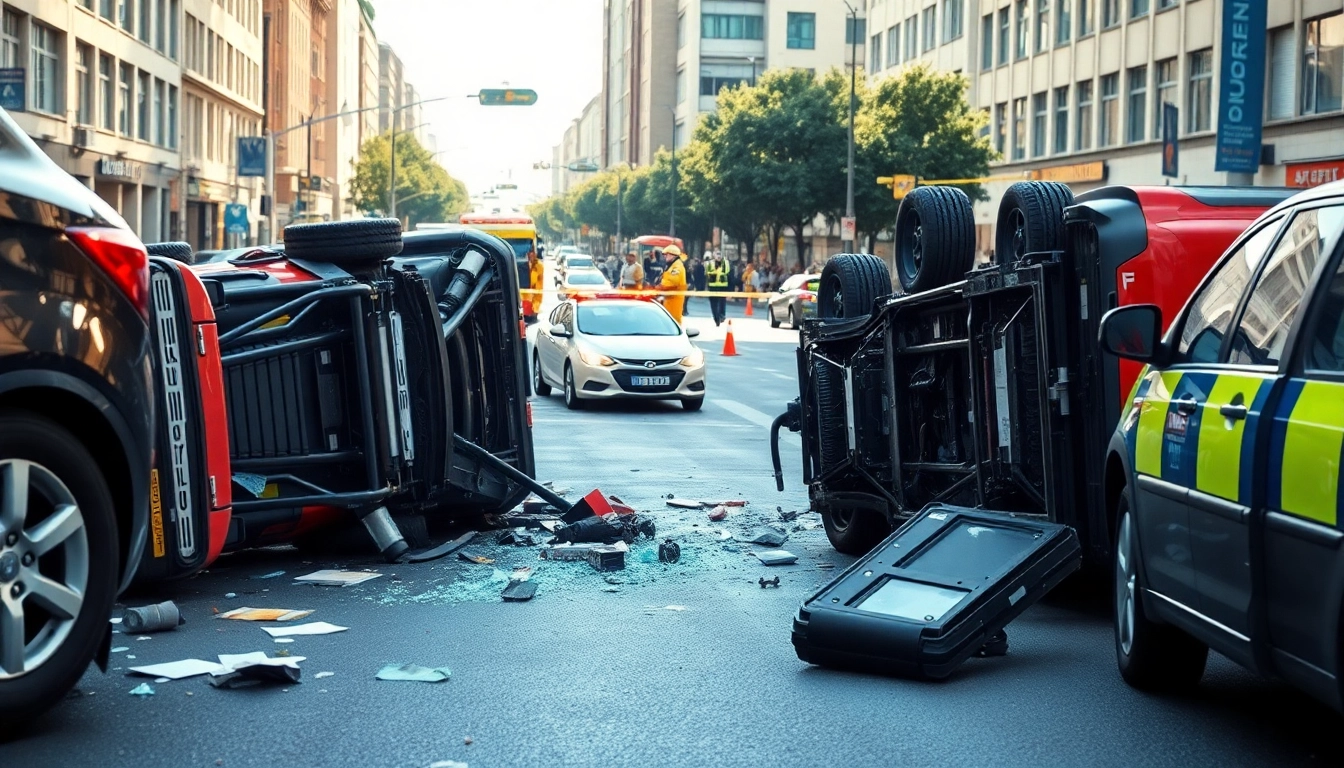
Introduction to Road Accident
Every year, millions of individuals around the world find themselves caught up in a road accident. These unexpected events not only lead to significant physical injuries but also result in emotional and financial turmoil for victims and their families. Understanding the intricacies of road accidents, including their definitions, statistics, and common types, is essential for building awareness and fostering safer practices on our roadways.
Definition and Statistics
A road accident, often referred to as a traffic collision, involves one or more vehicles causing damage to property, injuries, or fatalities. According to the Global Status Report on Road Safety, road traffic deaths have become increasingly prevalent, with an estimated 1.3 million fatalities reported annually. Moreover, road accidents are the leading cause of death for individuals aged 5 to 29 globally. Understanding these statistics highlights the urgency needed to address road safety issues effectively.
Common Types of Road Accidents
Road accidents can manifest in various forms, each differing in severity and conditions:
- Collisions: These include rear-end collisions, head-on collisions, and T-bone collisions, primarily arising from driver error.
- Pedestrian Accidents: Involving pedestrians often leads to severe injuries, especially in urban settings.
- Single Vehicle Accidents: These occur when a vehicle leaves the roadway, commonly due to driver miscalculation or external factors.
- Hit-and-Run Accidents: Involves drivers leaving the scene post-accident, complicating legal and recovery processes.
The Importance of Awareness
Awareness plays a pivotal role in road safety. Many accidents can be prevented with proper education regarding road rules, the dangers of impaired driving, and the importance of wearing seatbelts. Public awareness campaigns are crucial in disseminating this information and encouraging a culture of responsibility among drivers and pedestrians alike.
Causes of Road Accident
Driver Behavior and Mistakes
Many road accidents stem from driver-related factors, which include:
- Distracted Driving: Activities such as texting or using a mobile device can significantly impair a driver's ability to respond to their surroundings.
- Speeding: Exceeding speed limits reduces a driver’s ability to react promptly to emergencies.
- Driving Under the Influence: Alcohol and drugs impair judgment and reaction times, sharply increasing accident rates.
- Fatigue: Tired drivers may struggle to stay alert, leading to lapses in concentration.
Environmental Factors
Environmental conditions also contribute to road accidents:
- Weather Conditions: Rain, snow, fog, and icy roads can hinder visibility and affect vehicle handling.
- Road Conditions: Poorly maintained roads, potholes, and unclear signage may lead to severe accidents.
- Lighting: Inadequate street lighting can lead to accidents, especially at night.
Vehicle Condition and Maintenance
The condition of the vehicle plays a crucial role in safety. Neglecting regular maintenance can result in:
- Brake Failure: Worn brakes can lead to inability to stop in time, increasing the chances of collisions.
- Tire Blowouts: Underinflated or worn tires can fail, causing a driver to lose control.
- Malfunctioning Lights: Broken headlights or brake lights diminish visibility and reduce warning signals to other drivers.
Consequences of Road Accident
Injuries and Fatalities
The consequences of road accidents are often dire. Injuries can range from minor bruises to severe trauma, including:
- Spinal Cord Injuries: These can lead to paralysis and significant lifestyle changes.
- Head Injuries: Traumatic brain injury may result from collisions, leading to long-term cognitive changes.
- Fatalities: Each year, countless lives are lost; with increased measures in safety and awareness, many of these tragedies could be avoided.
Legal Repercussions
Road accidents can lead to complex legal situations, including:
- Liability Issues: Determining fault can lead to disputes among drivers, insurance companies, and legal authorities.
- Criminal Charges: Driving under the influence or reckless behavior may result in significant legal penalties.
- Civil Lawsuits: Victims of accidents may pursue compensation for medical expenses, lost wages, and pain and suffering.
Financial Impact on Victims
Financial repercussions can burden victims for years:
- Medical Expenses: Treatment for injuries can accrue significant costs, including surgeries, rehabilitation, and ongoing care.
- Loss of Income: Many accident victims may miss work, resulting in lost wages and diminished earning capacity.
- Vehicle Repairs or Replacement: Damaged vehicles can create costly repairs, which can add to financial strain.
Preventing Road Accident
Safety Measures and Practices
Implementing safety measures is crucial for reducing road accidents:
- Seat Belt Usage: Always wearing seat belts can dramatically reduce injury severity during collisions.
- Adhering to Speed Limits: Respecting speed limits can provide adequate time for reaction and control.
- Designated Drivers: Having a sober, designated driver is essential after social events that involve alcohol consumption.
Role of Technology
Advancements in technology have significantly impacted road safety. Key innovations include:
- Advanced Driver-Assistance Systems (ADAS): Features like lane departure warnings and automatic braking help prevent accidents.
- Vehicle Telematics: Tracking driver behavior with telematics systems can provide insights and encourage safer driving practices.
- Collision Avoidance Systems: Detecting imminent collisions and providing the necessary alerts can offer critical time to react.
Education and Awareness Campaigns
Educational programs are fundamental in promoting road safety. Campaigns can include:
- Community Workshops: Engaging local communities in road safety education fosters shared responsibility.
- Social Media Campaigns: Utilizing platforms for spreading awareness about the dangers of reckless driving can reach wide audiences.
- School Programs: Teaching children about road safety can instill lifelong safe habits.
Emergency Response to Road Accident
Immediate Actions to Take
In the event of a road accident, knowing the immediate actions can save lives:
- Ensure Safety: Move to a safe area if possible, without leaving the scene.
- Call for Help: Contact emergency services to report the incident and request medical assistance.
- Assist Victims: Provide assistance without causing further harm; do not attempt to move seriously injured individuals.
Importance of Reporting
Reporting the accident to appropriate authorities helps ensure proper procedures are followed:
- Filing Police Reports: A police report is often necessary for insurance claims and legal proceedings.
- Insurance Notification: Informing your insurance company promptly can aid in the claims process.
- Gathering Evidence: Documenting the accident scene with photos and witness statements can provide useful information for investigations.
Long-term Support and Recovery
Victims may require ongoing support and recovery measures:
- Physical Rehabilitation: Many individuals may need therapy to regain full mobility and strength after severe injuries.
- Psychological Counseling: Trauma from accidents can lead to long-term psychological issues, necessitating professional support.
- Support Groups: Engaging with others who have experienced similar situations can provide valuable emotional support and coping strategies.
Frequently Asked Questions
What is the leading cause of road accidents?
Driver behavior, especially distractions like texting and driving, accounts for a significant portion of road accidents.
How can I report a road accident?
To report a road accident, contact local emergency services or the police and provide necessary details like location and injuries.
What can I do to prevent road accidents?
Practice defensive driving, avoid distractions, stay sober, and follow road laws to minimize the risk of accidents.
Are all road accidents reported?
No, many minor accidents resulting only in property damage may not be reported to authorities, depending on local laws.
What should I do immediately after an accident?
Check for injuries, call emergency services, provide assistance if safe, and document the scene for reports.