Understanding Age Estimation Technology
The advancement of technology has led to exciting innovations in various fields, one of which is age estimation through facial recognition. Whether you’re curious about how old you look or simply interested in the science behind these estimates, understanding the mechanisms at play can be insightful. how old do i look applications leverage state-of-the-art algorithms to analyze facial features and deliver surprisingly accurate results.
What is Age Estimation Technology?
Age estimation technology refers to the methods and algorithms used to predict a person's age based on visual analysis of their facial features. This technology combines elements of artificial intelligence, machine learning, and image processing, allowing applications to recognize patterns associated with aging. Facial characteristics such as wrinkles, skin tone, and facial structure are analyzed to generate an estimated age, which can vary from one application to another.
How Do These Apps Work?
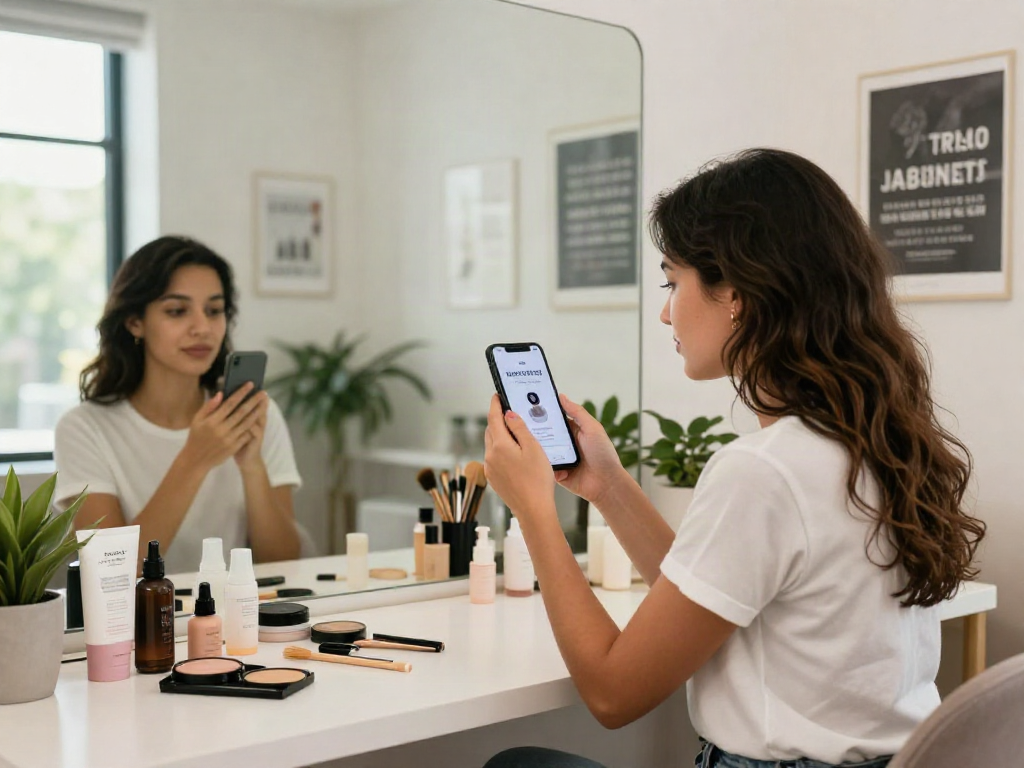
Most age estimation apps ask users to upload a photo or use their device’s camera to capture an image. The app then employs facial recognition algorithms to examine various features, including:
- Skin Texture: Smooth skin usually indicates a younger age, while rough or wrinkled skin suggests aging.
- Facial Contours: Changes in facial structure, such as sagging skin and loss of volume, may signal older age.
- Eye Features: The appearance of the eyes, including crow's feet and eyelid droop, are significant indicators of age.
Once the facial analysis is complete, the app provides an age estimation, often accompanied by an explanation of the features influencing the assessment.
Accuracy and Limitations of Facial Recognition
While many age estimation tools boast high accuracy rates, they are not infallible. Factors influencing the precision of age prediction include:
- Image Quality: High-resolution images yield better results than low-quality ones.
- Lighting Conditions: Poor lighting can obscure critical facial features.
- Age Range: Most algorithms are more reliable in predicting ages for certain ranges, often performing better on adults than on children.
Understanding these limitations is crucial for users who seek to use these tools for personal insight or entertainment.
How Old Do I Look? The Psychological Aspect
Curiosity about how one appears in terms of age can stem from various psychological motivations. Many individuals desire validation or reassurance regarding their looks, which can lead them to engage with age estimation tools.
Why People Want to Know Their Age Perception
The quest to understand one's perceived age can be linked to social norms and personal confidence. In a society that often equates youth with beauty and success, knowing whether one appears younger or older than their actual age can significantly impact self-esteem. This curiosity is particularly prevalent in cultures that place a premium on youthful appearance, making age estimation apps an intriguing exploration for many.
The Impact of Age Perception on Self-Esteem
Results from these applications can evoke a range of responses. For some, receiving a younger age estimation might boost self-esteem and confidence. Conversely, if users find their perceived age aligns with or exceeds their actual age, it can lead to negative feelings or anxiety about aging. This dual impact illustrates the complex relationship between self-image and societal expectations around age and appearance.
Addressing Age-Related Anxiety and Differences
Age-related anxiety can manifest in various ways, from concerns over physical appearance to broader worries about life stages and accomplishments. Engaging with age estimation technology can highlight these anxieties, making it essential for individuals to approach their results with a balanced perspective. Recognizing that age is merely a number, and maintaining a focus on health and well-being, can alleviate some of the pressures associated with age perception.
Popular Apps and Tools for Age Estimation
The market for age estimation tools has grown significantly, with numerous apps offering users the chance to discover how old they look. With the rise of AI and machine learning, many of these apps utilize advanced techniques for more accurate results.
Top Age Estimation Apps in 2026
Some of the leading applications currently available include:
- FaceAge.ai: A user-friendly platform that allows you to upload your photo for an AI-driven age assessment.
- Fotor: Offers a quick and easy way to gauge your perceived age without requiring user sign-up.
- BeautyPlus: This app is popular among young users, providing easy access for age estimation along with enhanced photo capabilities.
Each of these apps offers unique features, appealing to different user needs and preferences.
User Reviews and Comparisons
User feedback plays a significant role in selecting the appropriate age estimation app. Reviews often highlight accuracy, ease of use, and privacy considerations. Comparing user experiences can help potential users find the right tool for their needs, ensuring they feel confident and secure while exploring their age perception.
How to Choose the Right App for You
When selecting an age estimation app, consider the following:
- User Interface: Choose an app with an intuitive design that offers a seamless experience.
- Privacy Policies: Ensure the app has a robust privacy policy that protects your data.
- Features Offered: Some apps provide additional analytics or insights into facial aging patterns; select the features that best meet your interests.
These considerations will help users navigate the diverse landscape of age estimation technology more effectively.
Practical Tips for Accurate Results
To obtain the most reliable results from age estimation apps, following certain guidelines can enhance the user experience.
Best Practices for Uploading Photos
When capturing images for age estimation, consider the following best practices:
- Use Natural Lighting: Good lighting minimizes shadows and highlights your features effectively.
- Face the Camera: A direct shot of your face can enhance facial recognition algorithms’ effectiveness.
- Maintain a Neutral Expression: Avoid extreme facial expressions to ensure accurate analysis.
Implementing these practices can yield more accurate age estimations.
Factors Affecting Age Appearance in Photos
Several factors can contribute to how old you appear in photographs, such as:
- Skin Care Regimen: Regular maintenance can improve skin health and reduce the visible signs of aging.
- Makeup Application: The way you apply makeup can emphasize or diminish youthful features.
- Photography Skills: Knowledge about angles and framing can impact how age is perceived in photos.
Being mindful of these elements can enhance how you present yourself in images.
How to Interpret Results and Use Feedback
Understanding the results generated by age estimation apps requires a balanced perspective. While these tools can offer interesting insights, remember they are not definitive measures of age. Use the feedback from these applications to inform personal grooming and health choices, rather than as strict benchmarks of your worth or attractiveness.
The Future of Age Estimation and Trends
As technology continues to evolve, so too will the capabilities of age estimation tools. The landscape of facial recognition and age prediction is poised for rapid advancements.
Emerging Technologies in Facial Recognition
Future age estimation applications are expected to integrate even more sophisticated technologies, such as:
- Biometric Analysis: Incorporating more extensive biometric data beyond facial features could enhance accuracy.
- Augmented Reality: Future apps may use AR features to visualize aging processes directly on users' faces.
- AI Modelling: Enhanced AI models can learn from larger data sets to improve predictions over time.
This innovation will likely refine the accuracy of age estimations and further personalize user experiences.
Predictions for Age Estimation Tools in 2026
By 2026, we can expect age estimation tools to become standard features in many social media platforms and health applications. Potential advancements might include:
- Real-Time Age Estimation: The ability to assess someone's age instantly through a camera feed.
- Integration with Health Apps: Age estimation tools that provide analysis about aging patterns and health impacts.
These trends reflect a growing interest in both aesthetic and health-focused dimensions of aging.
How Societal Views on Age May Shift
As technology continues to shape perceptions of age, societal views on aging may also evolve. Increasing acceptance of aging as a natural process, paired with the emphasis on health and wellness, could diminish the stigma surrounding age. This shift might encourage individuals to embrace their age with confidence, reducing anxiety and fostering a healthier self-image.
What are the most reliable age estimation apps available?
Several reputable apps have gained popularity due to their accuracy and user-friendly interfaces. Researching reviews and user experiences can guide individuals toward the most reliable choices tailored to their preferences.
Can age estimation tools really affect my self-image?
Yes, age estimation tools can have a significant impact on self-image. The results they provide can either boost confidence or exacerbate insecurities, depending on the individual's perception of aging.
How can I ensure privacy when using these apps?
To safeguard personal information, use apps that prioritize user privacy by implementing robust data protection policies and ensuring that photos are not stored without consent.
What factors can influence the results of age estimation?
Results can be influenced by factors such as image quality, lighting, facial expression, and even the algorithms used by the app. Understanding these variabilities can help users interpret their results more accurately.
Are there any scientific studies on the accuracy of these tools?
Numerous studies have been conducted to assess the accuracy of facial recognition technologies, often revealing that while many apps perform well, there are still limitations inherent in their algorithms, which can be affected by demographic diversity.